
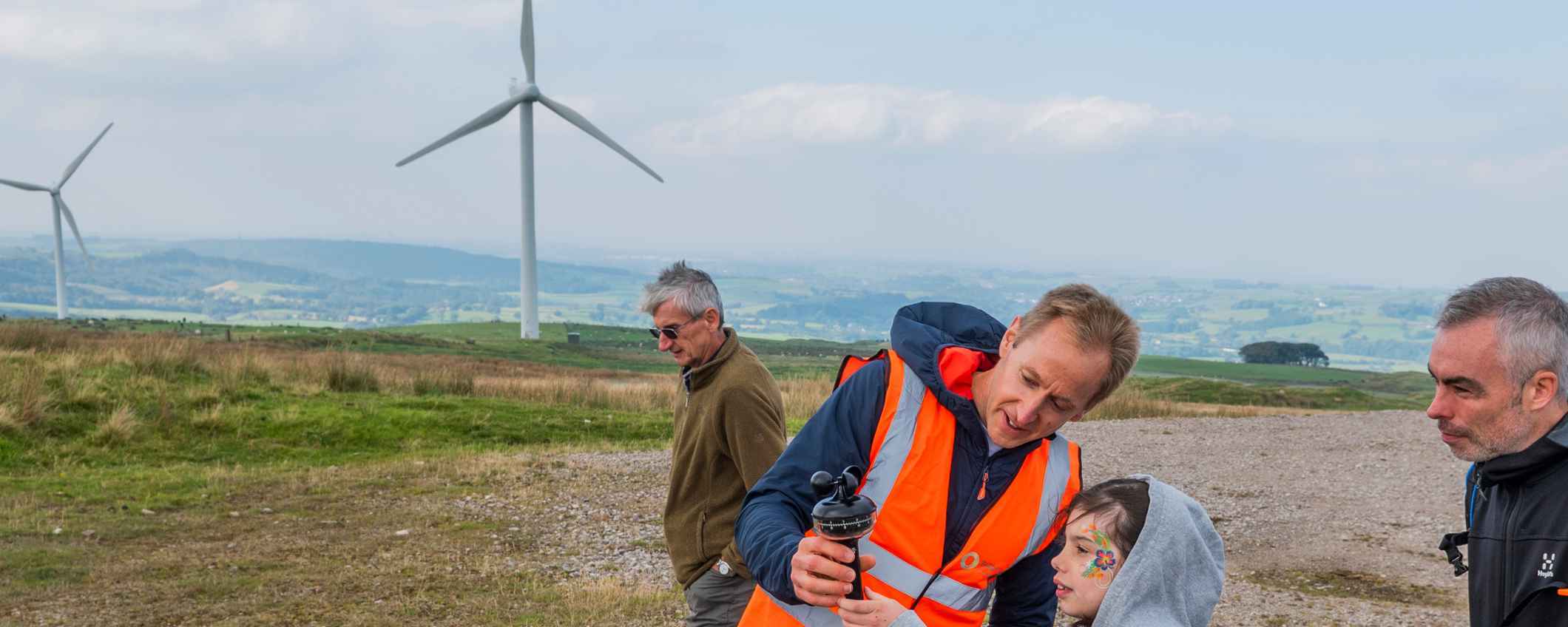
It’s something people do together through participation and shared purpose. That belief has shaped their work for more than 30 years: building renewable energy projects across the UK, with a growing community of individuals and organisations who want a cleaner, fairer and more resilient energy system.
Thrive is in the top 3% of UK B Corps for its commitment to environmental and social justice, only investing in projects that deliver real impact. It’s on a mission to connect as many people as possible to clean, homegrown power – from providing funding for communities to own wind and solar in their neighbourhood, to hosting public open days and school visits for all generations to learn more about the power of wind and sunshine.
Through its voluntary Community Benefit Programme, Thrive also provides grants to community centres near its projects to make energy efficiency improvements such as lighting and heating upgrades – helping them to cut carbon and costs. So far, the programme has awarded over £258,0000 since 2016, saving a combined estimate of 99 tonnes of emissions each year.
School trip to the future with Hugh Fearnley-Whittingstall

By playing this video you allow Youtube to track your visit More info
School trip to the future with Hugh Fearnley-Whittingstall
By playing this video you allow Youtube to track your visit More info
As well as supporting local communities, Thrive is committed to protecting and enhancing nature at its clean energy sites. It is committed to supporting long-term sustainable development outlined in its biodiversity policy which is aligned with the United Nation’s Sustainable Development Goal 15: ‘Life on Land’. Thrive intends to go above and beyond legal requirements with additional voluntary initiatives tailored on a site-by-site basis and outlined in individual Biodiversity Management Plans.
Local wildlife is considered from the very start of the project lifecycle. At Whitelaw Brae wind farm, Thrive’s largest project yet which is currently being constructed, tens of thousands of native trees like Birch and Willow will be planted. It also intends to create a new network of paths through the site which will form part of the new River Tweed walking and cycling trail.
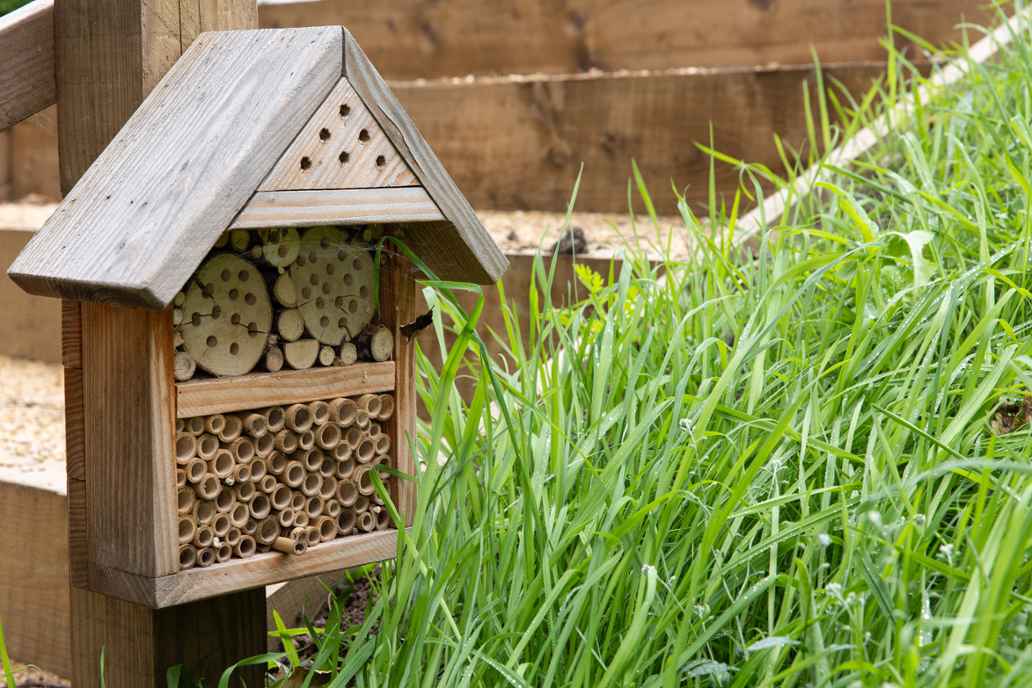
Another example of how Thrive prioritises native flora and fauna during the early stages of development is at its 20MW Bristol battery project. The biodiversity plan for this site focused on providing a variety of animals with more places to nest and shelter in an urban environment, including installing a number of bird, bat and invertebrate boxes, as well as hedgehog houses. Trees, hedgerows, species rich grassland, shade scrub and native ferns have also been planted to strengthen local habitat corridors. The trees will provide nesting opportunities for birds, and their fruits will provide birds such as blackbirds and song thrushes with a rich source of autumn food. Spring flowers will be a source of nectar and pollen for bees and other insects.
Thanks for joining the conversation.
We've sent you an email - click on the link to publish your post.