
Remember, investing means that your money is at risk. The value of investments can go up as well as down, and you might get back less than you put in. While this article is intended to be useful, it is not financial advice. You can get help from a financial adviser if you aren't confident making decisions about your money.
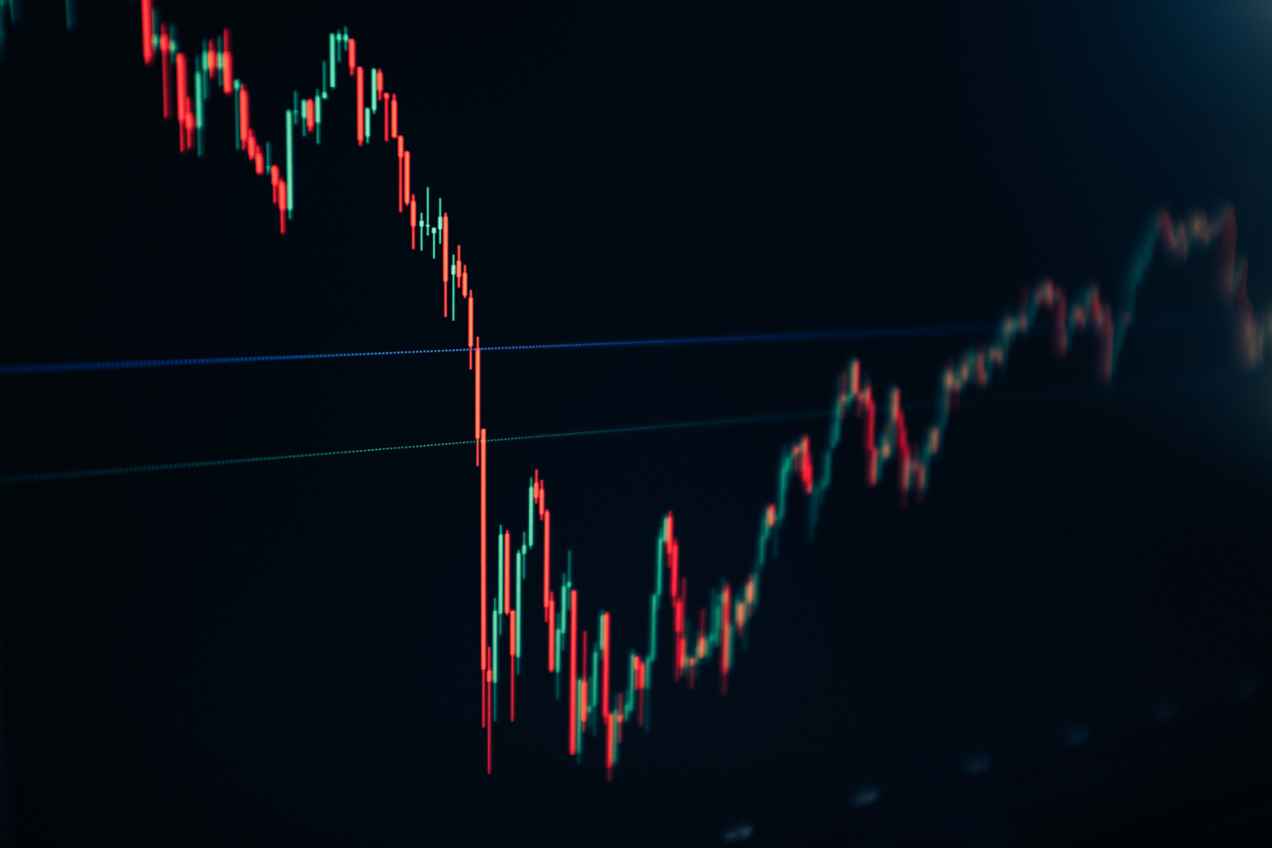
What does a volatile market look like?
It's almost impossible to predict the stock market, and in fact, it's normal for the market to be volatile - ups and downs are natural. Markets rise and fall for many different reasons, such as geopolitical changes, interest rate changes, or significant changes to the businesses listed on the stock market.
There are, of course, sometimes examples of extreme changes, such as during the 2008 financial crash or the COVID-19 pandemic, but historically, dips and losses in the market have been temporary. Markets often react quickly to major events, but then settle back down again. Often, extra volatility can be caused by media consumption, and reactions to the "noise" created by unexpected global events.
It's important to remember that panic selling locks in losses. If you choose to sell, your loss is guaranteed and you remove the opportunity for your funds to recover. Remember, time in the market often beats trying to time the market. Downward price swings also mean that you'll get more shares for your money if you buy them when they're valued lower. However, it's always important to remember that the value of your investment may go down as well as up.
Keeping a long-term perspective and prioritising your future goals will set your funds up to be part of future market recovery and give you the best chance of avoiding short-term loss.
Strategy during volatility
Volatility can also be a good prompt to review your investment strategy. It's good practice to regularly review performance, reassess your goals, and look at what you can currently afford to invest. If increased volatility worries you, you also have the option to reduce the level of risk you're taking by choosing appropriate funds, such as those that may historically have been subject to less volatility, like bond funds.
You can also consider diversification. Spreading your investments across different funds can be a good way of reducing risk and balancing out some of your higher risk investments with more stable ones. This is because if one company or sector is struggling, other areas of your portfolio might not be impacted as much, and could even be working to counteract any losses happening elsewhere.
Choosing an investment fund instead of individual shares, such as the funds offered by Triodos Bank, means your investments cover many different companies and geographies. Triodos Investment Management actively manages the investment funds, which means that the fund managers keep an eye on economic or social developments and adjust the portfolios accordingly. However, you should remember that past performance is not a guarantee of future gains. It’s important to keep in mind that returns still aren’t guaranteed, and fund managers aren’t making decisions based on your individual circumstances or risk tolerance.
Finally, it’s important to have cash set aside in an emergency fund. This can work as a security blanket, so you don’t have to sell your investments during times of loss, and gives your funds a chance to recover.
Why long-term investing matters even more for impact
Impact investing delivers meaningful results that often build and create lasting value over the long term. At Triodos Bank, we want to create significant, lasting and radical changes to the world we live in - this kind of change doesn’t always happen quickly, and it is not without its challenges.
Consistent funding for emerging industries is often critical for their success and progress. When we are patient and stand by our choices to invest in innovative, ethical companies, we increase the chances to create powerful outcomes. There’s a misconception that impact or ESG investing can limit returns, however studies show that companies that are good at managing environmental, social and governance risks tend to have more stable and predictable business performance over time. However, currency fluctuations may also affect the value of impact or ESG funds.
By remembering that financial return is not the only benefit of investing, you can be proud of the investments you make with Triodos Bank, knowing that your money is contributing to making a difference for future generations, and the future of the planet.
Thanks for joining the conversation.
We've sent you an email - click on the link to publish your post.