
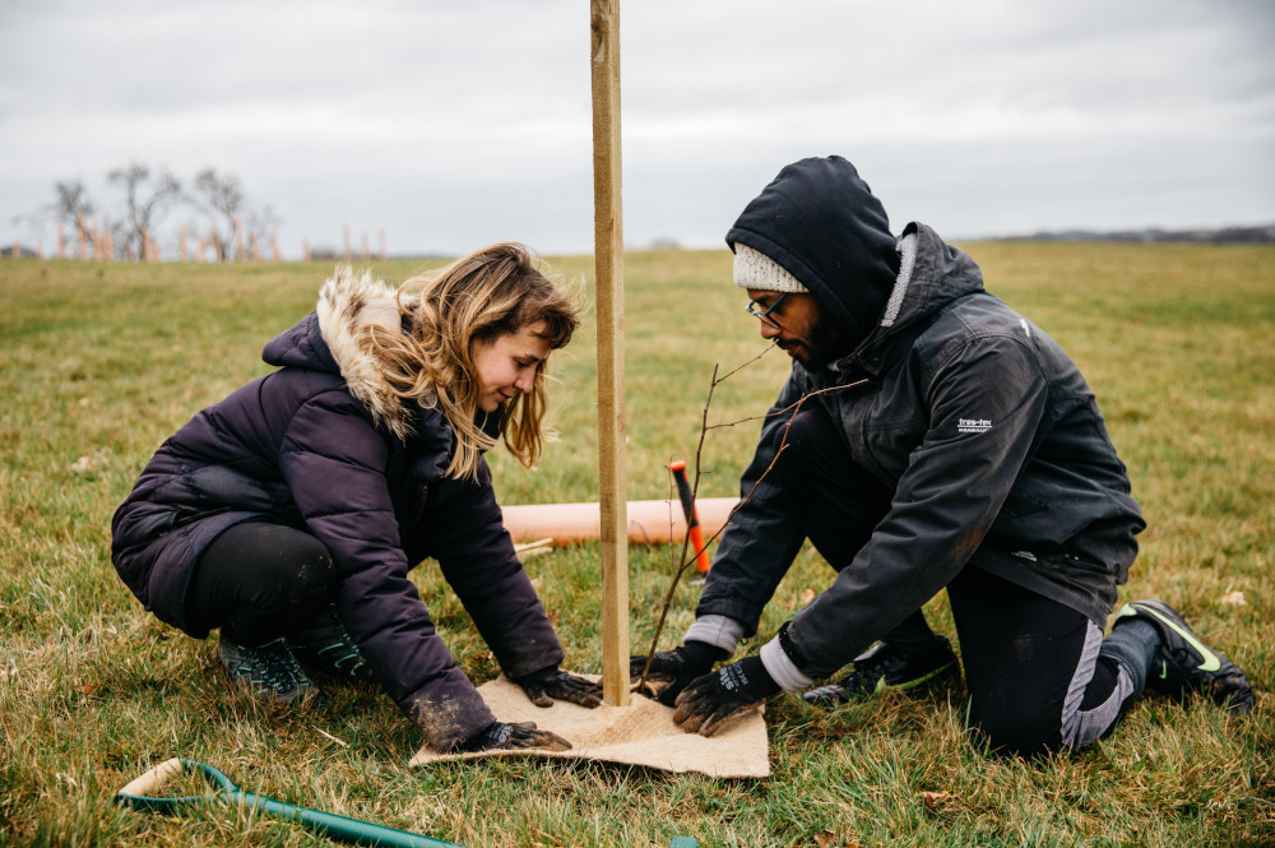
Whether it’s local networks or your neighbours, there are endless opportunities to share and grow when we tap into community resources – and often, this can allow us to live life a little more simply, and sustainably.
1. Libraries
Perhaps one of the most undervalued community resources we have access to nowadays, libraries give us the opportunity to reduce resource use and promote circular economy practices by borrowing and sharing books and other media such as DVDs or CDs. But they’re so much more than that. They offer Wi-Fi, computer and printer access, free workshops and classes, and chances for people to get to know one another. Find yours here.
2. Sharing libraries
Some communities have taken the concept of a library a step further, and have created libraries for “things”. This prevents people from buying items they’ll only use occasionally, or once, by allowing the local community to swap and share a whole range of items. From power tools to party supplies, there’s no limit to what you might find. See if your local area has one, and if not, why not start one?
3. Community gardens
These are shared spaces where local people can grow fruit, vegetables, and herbs together. They promote local food production, reduce food miles and increase access to green spaces, which also helps local biodiversity. From full gardens, to allotments, to communal planters, or simply seed swapping, there are ways to connect people through gardening on many different scales.
Case study: Heart of BS13
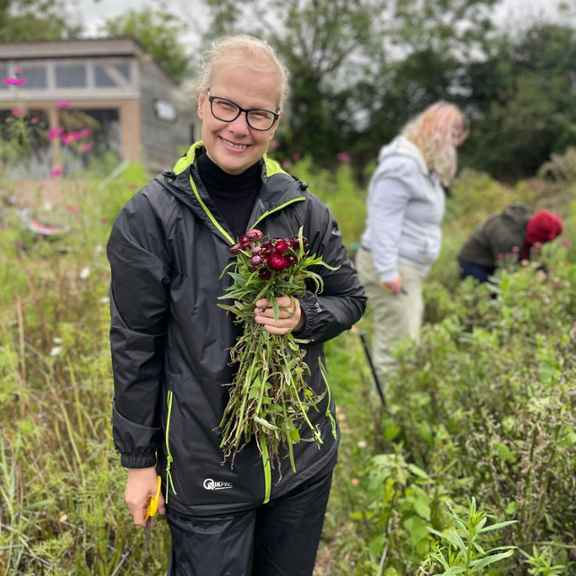
Heart of BS13 are a community charity and Triodos Bank business savings customer that works with the community to tackle social inequalities. From gardening, to food, to work opportunities, they support the people in their local area in many ways.
“Our sustainable flower farm is a space where people can volunteer, where people can do educational programmes," said Rachel Baker, Marketing and Communications Manager.
We work with schools in the community, so students can come in and do gardening and composting and get to see an environmentally focused business happening in Hartcliffe. We also offer a free qualification in horticulture for people who have low or no qualifications, which supports employability.”
4. Clothing swaps
Did you know the textile sector was the third largest source of water degradation and land use in 2020? Buying new clothes is a source of carbon emissions, plastic pollution, water use and waste. Unfortunately, donating isn’t always the answer. Only 10-30% of donations are resold, with the majority being shipped overseas or sent to landfill. Community clothing swaps or sales are a great way to refresh your wardrobe whilst making sure that your items are being rehomed to somewhere they’re wanted and needed. You can do it with your friends, or some communities host larger, ticketed events to make money for charity.
5. Community farm, composting and food programmes
There are so many ways local communities connect with food. Community farms and agricultural projects often allow collective growing, whilst other types of food programmes teach cooking, redistribute food to those in need, and reduce food waste.
Case study: Fordhall Farm
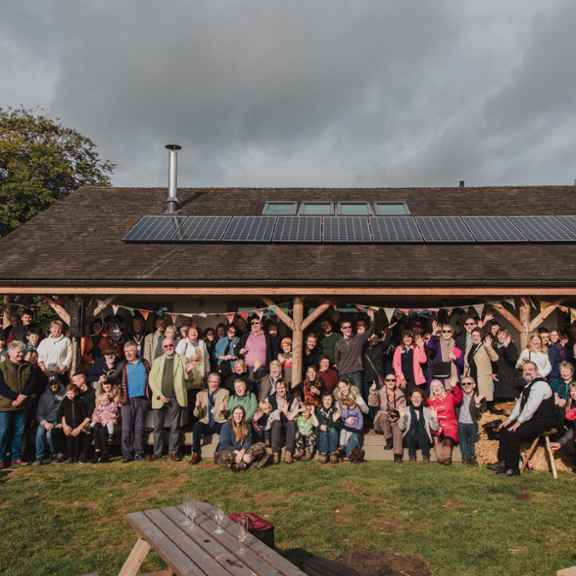
Fordhall Farm is England’s first community-owned farm, which Triodos has supported with loans over the past 20 years. The organic farming business is owned and controlled by 8,000 employees, residents, customers and members of the local community. A combination of staff and volunteers run the farm and focus on environmental and social value, as well as profit.
“Now we have a care farm that supports adults with learning disabilities, a youth project to build the self-esteem of vulnerable young people, a group for people with isolation and rural loneliness, and a cancer support group. We have a café and meeting room, we do weddings and have yurts for glamping. But at the heart of all this is a livelihood, a working farm with Ben as the tenant farmer.”
6. Repair cafes
Repair cafes are community gatherings where skilled volunteers can help advise on or fix broken items, such as appliances, clothing, or electronics. This can help extend the life of items, reduce waste, and help to encourage communities to move away from disposable culture. Search for events near you, or you could speak to your local café about starting one up.
7. Community energy co-operatives
These are groups where community members collectively invest in and manage renewable energy projects, such as solar panels or wind turbines. They can promote clean, local energy and also empower communities to control their own energy sources.
Case study: Empower Community
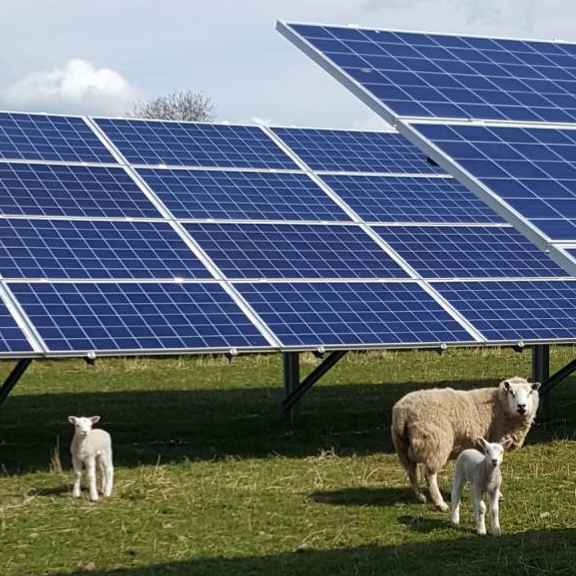
The Empower Community Foundation is a charity that owns two solar parks, one near Salisbury and one in Scotland, and has been funded by Triodos Bank through bond offers on our crowdfunding platform.
The community energy sector can bring benefits such as high-quality jobs, addressing fuel poverty and empowering local people to create their own green, resilient energy sources.
“We have all seen the impact of high energy prices and the vulnerability of our energy system to global geopolitical events. A strong renewable energy system can provide an alternative to this. Our structure as a charity means we can reinvest in the local communities to build resilience through this energy transition.”
8. Community bike programmes
These are initiatives that provide bikes for shared use, collect and fix old bikes, host collective cycling trips, and teach people road safety and how to maintain their bike. Sometimes they can also support neighbourhoods or streets with arranging communal bike storage with their local council. Cycling can reduce car usage and emissions, decrease traffic and pollution, and also promote active lifestyles.
9. Community shops and spaces
Community run shops and spaces come in all shapes and sizes. They might focus on local products, source things ethically, or simply fill gaps where commercial shops have closed. Some pubs and theatres are also community owned! This allows communities to support local producers, endeavours, and artists, whilst reducing emissions associated with long supply chains or travelling.
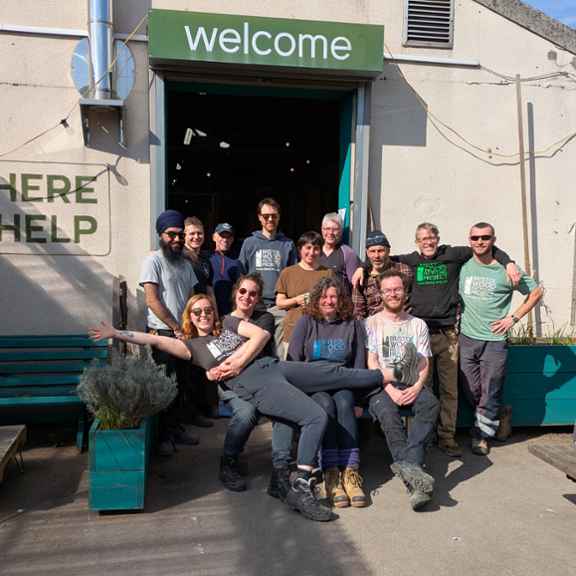
Case study: Bristol Wood Recycling Project
Bristol Wood Recycling Project redirects waste wood from landfill into affordable timber for the local community to purchase, and have been supported by Triodos through loans and crowdfunding raises. Its base in central Bristol is filled with everything from scaffolding boards to historic hardwood, as well as a volunteer-led carpentry workshop.
“For two decades, we've worked tirelessly to create a vibrant centre for sustainability and reuse. Our self-sustaining model redirects waste wood from landfills, providing affordable, salvaged timber to the diverse communities of Bristol. Thanks to the support of the national Community Wood Recycling Project and our committed team of staff and volunteers we’ve rescued over seven thousand tons of wood since 2004, positively contributing to both the environment and our community.”
10. Carpooling networks
See if your area has a local carpooling network. These are platforms or informal groups that help people to share car journeys, usually to and from work. This helps to reduce cars on the road, emissions, and also saves participants money on fuel costs. You might also have school-run carpool groups or vanpool schemes available in your area.
Thanks for joining the conversation.
We've sent you an email - click on the link to publish your post.