
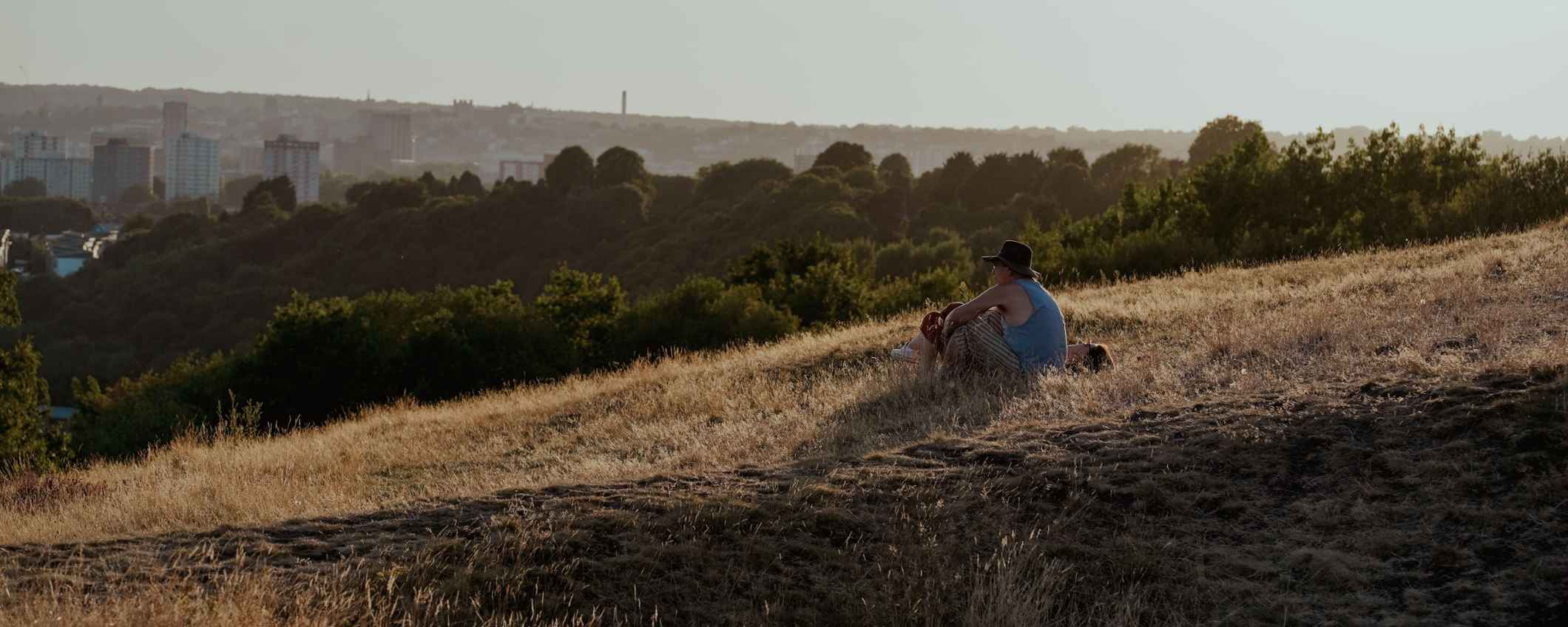
A changing climate does not affect everyone equally. Two people can experience the same heatwave very differently, depending on where someone lives, whether they have green spaces nearby, the type of work that they do and their health.
For some people, heat is more than uncomfortable. It can be dangerous. UK Health Security Agency analysis estimated that 1,311 heat-associated deaths occurred in England during summer 2024, with older people most at risk.
What do we mean by ‘climate resilience’?
Recent heatwaves have brought home a simple truth: resilience matters.
Climate resilience is closely connected to inequality and wellbeing. It is about helping people, communities and ecosystems withstand shocks, adapt to change and continue to thrive.
Resilience also depends on the natural world. Healthy ecosystems provide clean water, food, shelter, shade and flood protection. Protecting and restoring nature is therefore central to helping nature and communities adapt to a changing climate.
Transforming our energy system matters too. Moving towards clean, reliable and locally rooted energy can help reduce emissions while making energy systems less vulnerable to disruption from extreme weather.
Our homes and buildings are another part of the picture. The London Climate Resilience Review notes that more than 570,000 new homes have been built in England since 2017 that are not resilient to future high temperatures, meaning they may need costly retrofit to remain safe, habitable and water efficient.
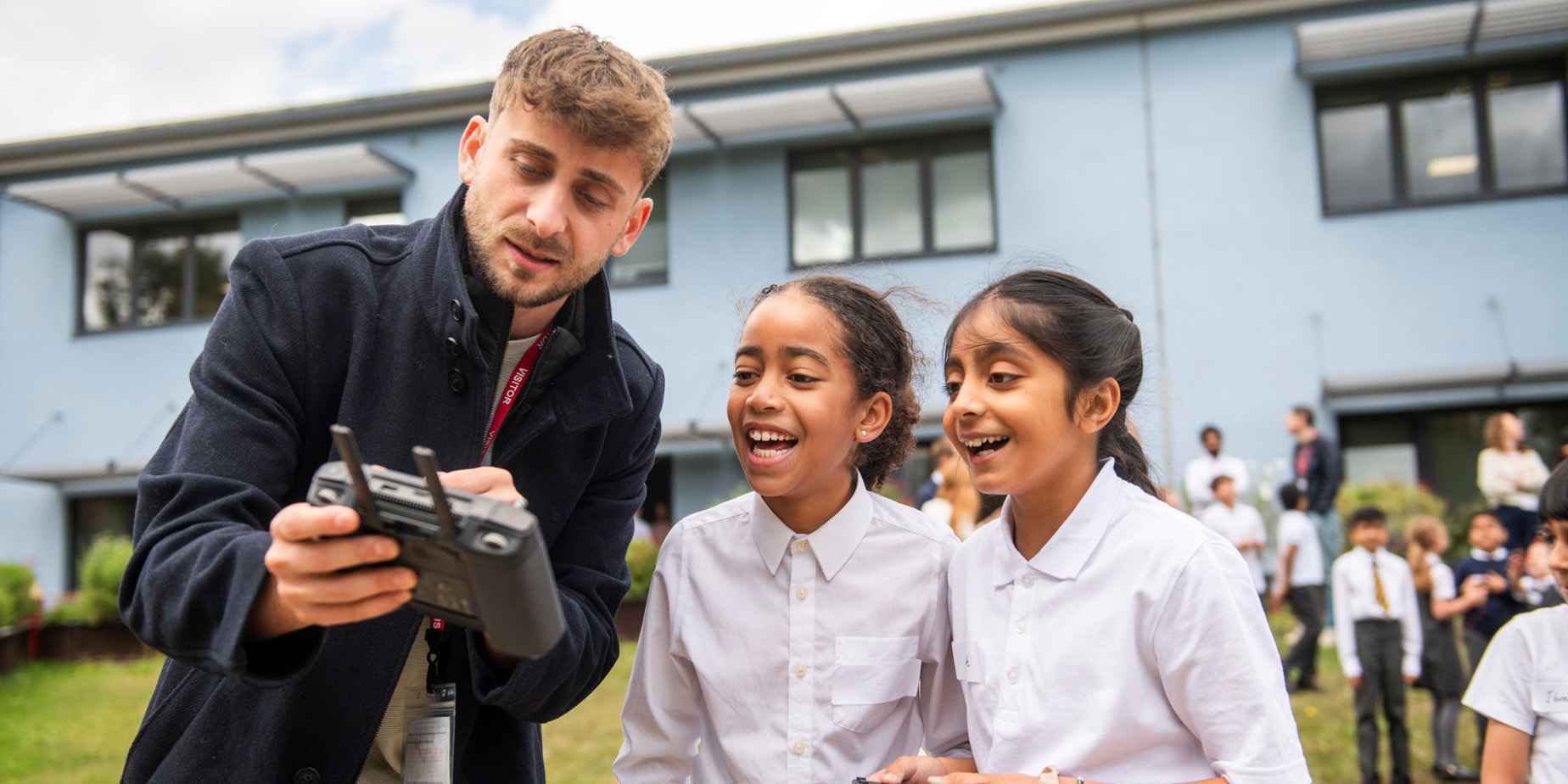
A Triodos loan supported Solar for Schools to help more schools install rooftop solar panels, reducing energy costs and exposure to energy price shocks. It means school buildings can become part of the clean energy transition, while pupils learn first-hand about building a more climate-resilient future.
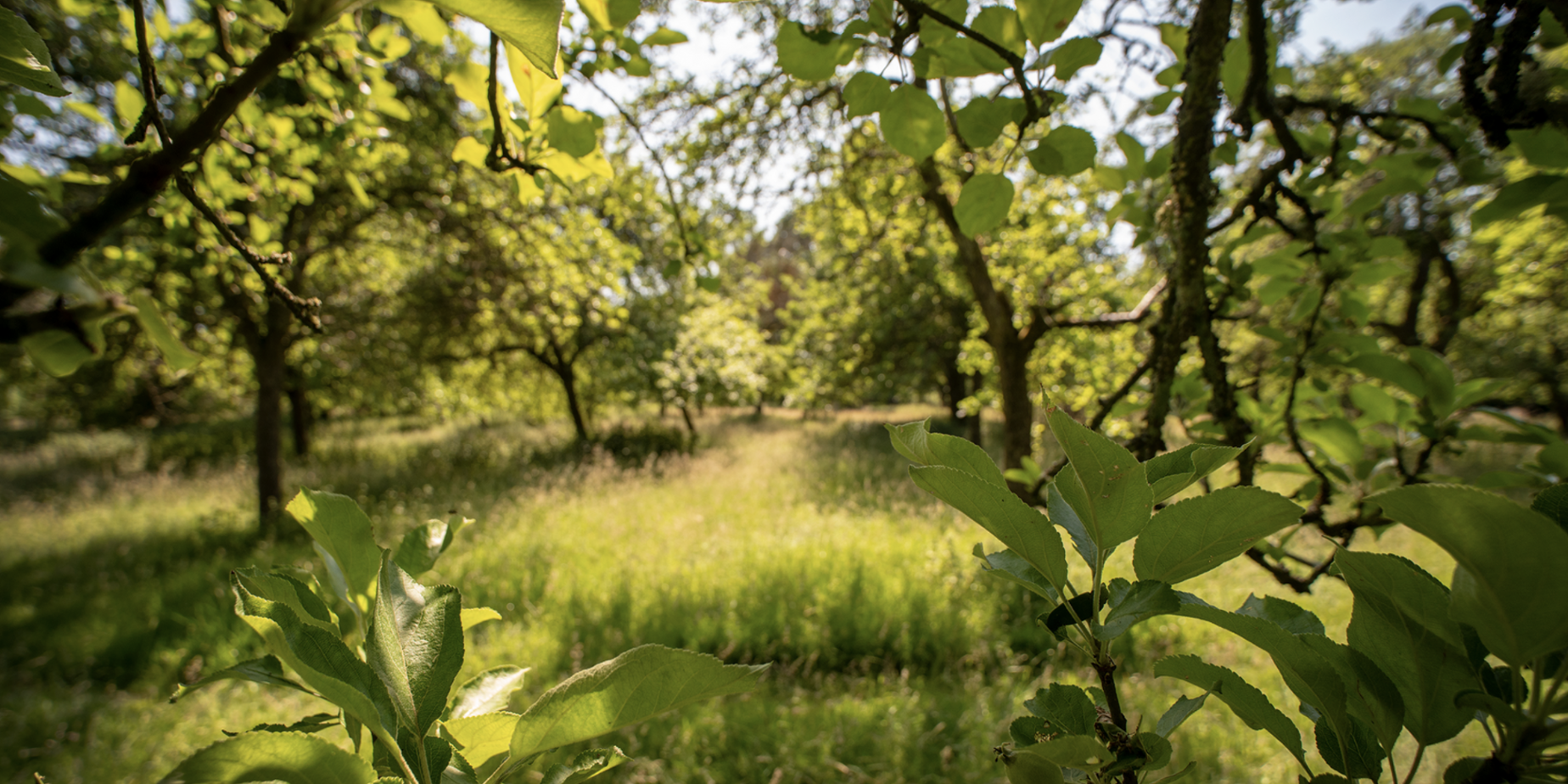
Senior debt finance from Triodos helped RESTORE acquire a 7,500-acre estate in Northumberland dedicated to nature recovery. Plans to restore peatland, boost biodiversity and improve water retention show how finance can support landscapes that are better able to withstand a changing climate.
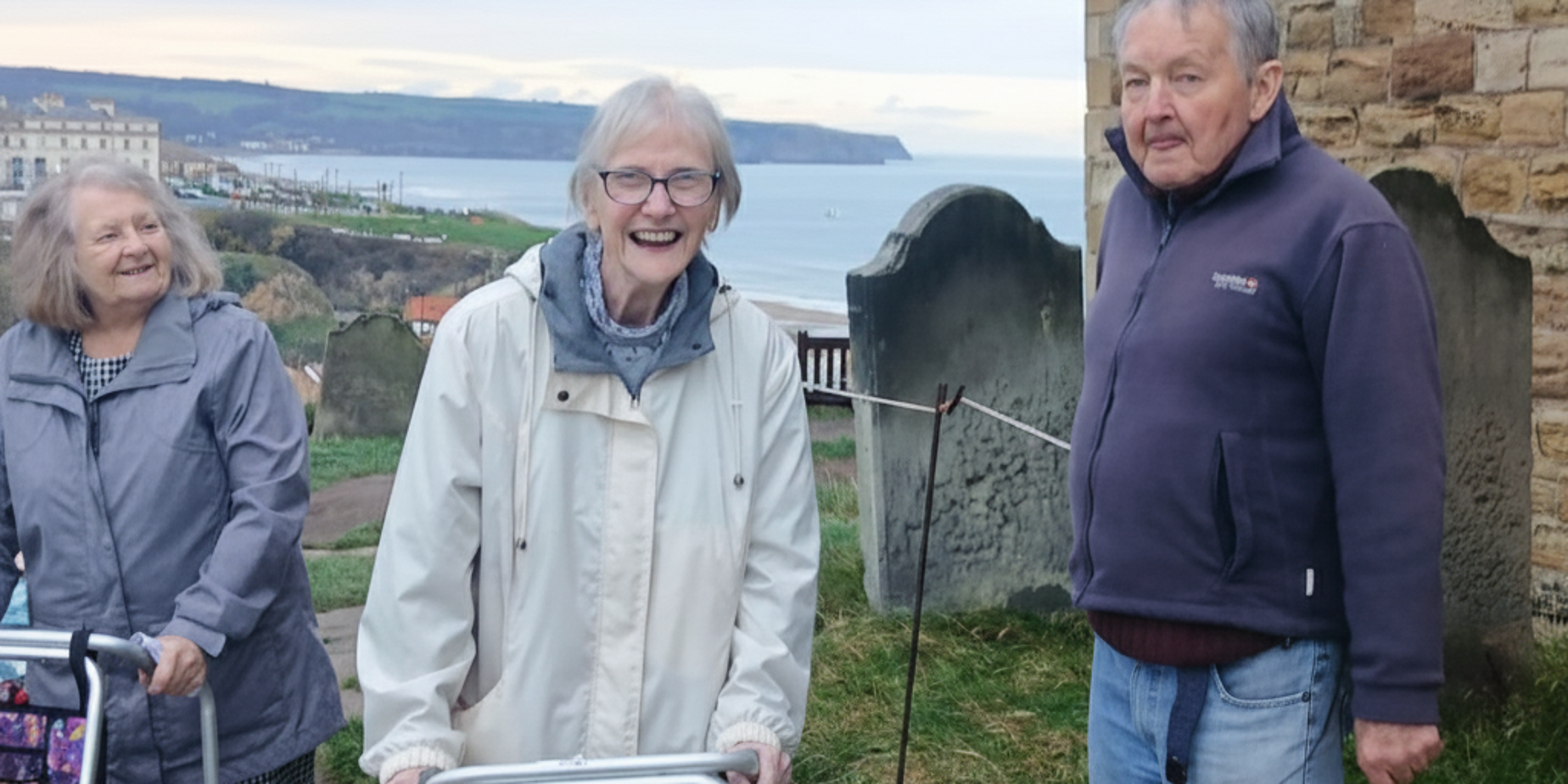
A loan from Triodos helped Fisher Care Group to expand and develop care homes in the North of England, with plans to improve energy performance through renewable and low-carbon technologies. For older and vulnerable residents, resilient buildings can help provide safer, more comfortable care as climate risks grow.
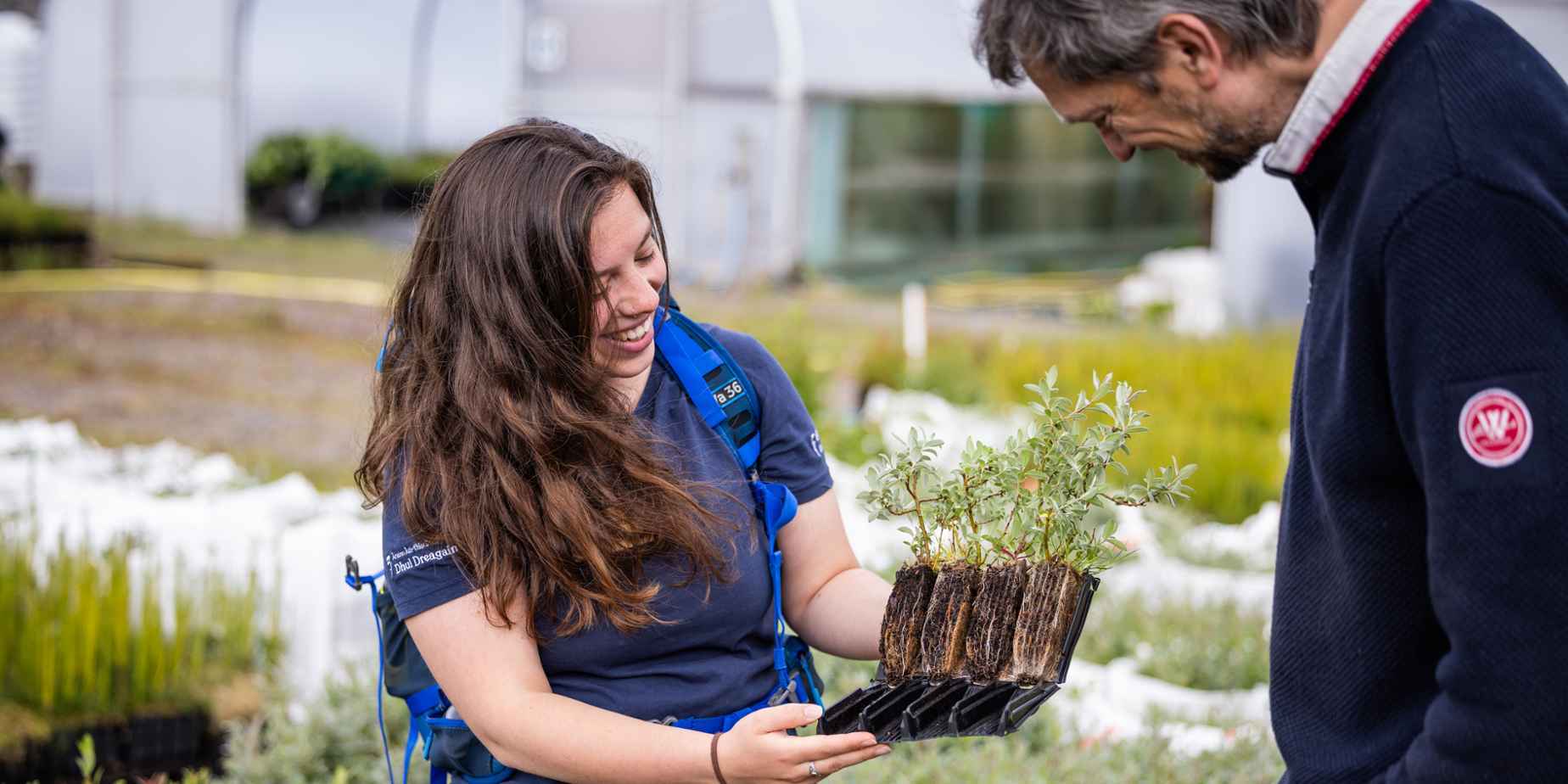
Triodos helped Trees for Life raise £2 million through a crowdfunding bond to support the Dundreggan Rewilding Centre in the Scottish Highlands. The centre shows how finance can help restore habitats, support rural jobs and strengthen the natural systems communities rely on as the climate changes.
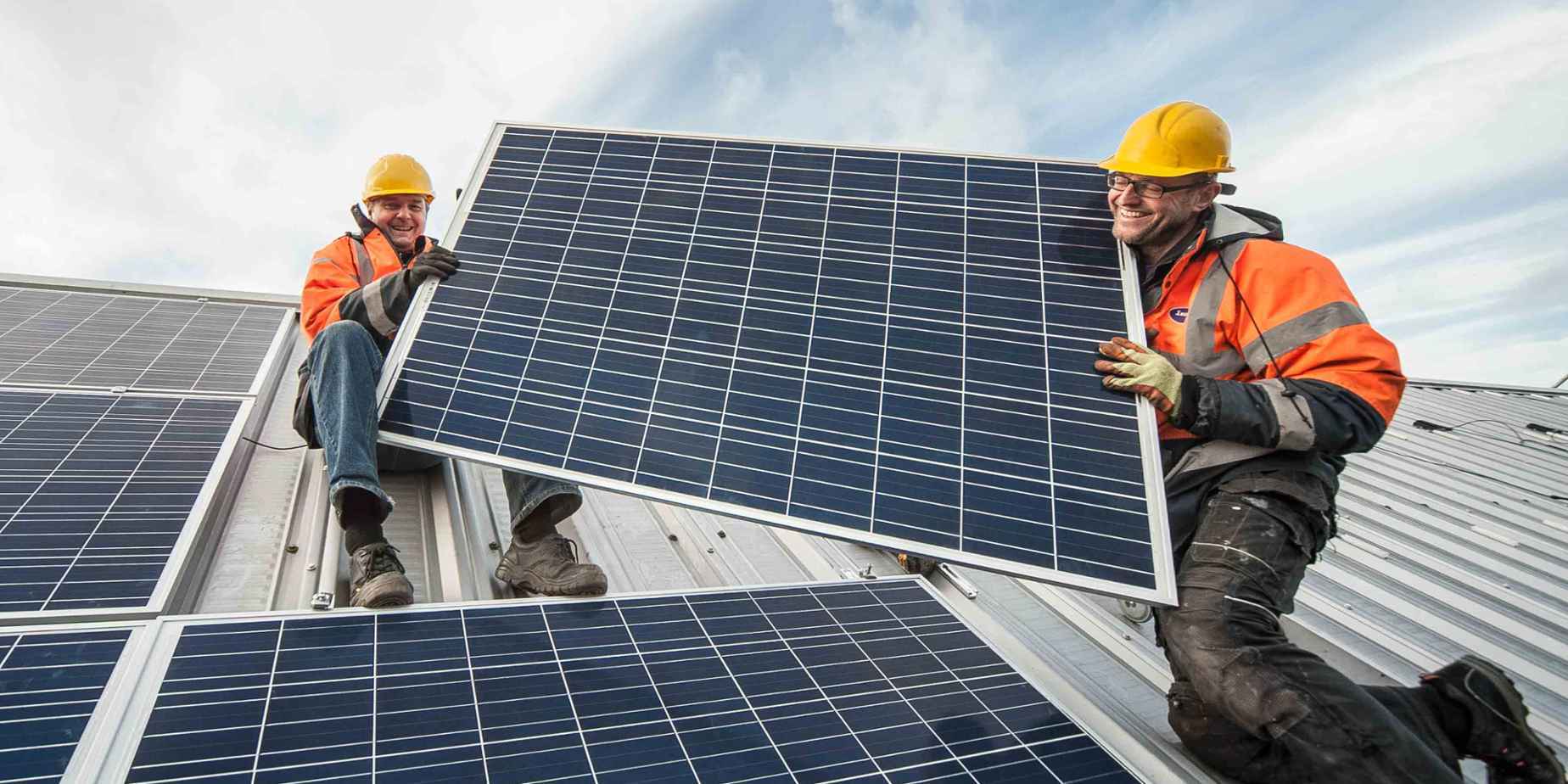
A Triodos-supported share offer helped Bristol Energy Co-operative raise investment to grow community-owned renewable energy - keeping more value in communities while strengthening energy resilience by reducing reliance on fossil fuels.
What does a climate resilient future look like?
Resilience is not an abstract idea. The measures that need to be taken already exist. Some solutions are operating successfully on a small scale in the UK or in other parts of the world, while some simply need more funding to make them a reality.
It looks like…
- A school generating its own clean energy.
- A care home designed to stay comfortable during extreme temperatures.
- Farmers restoring soil health so land can better withstand drought and flooding.
- Planting trees and protecting habitats.
- Communities developing renewable energy projects that help keep power more affordable and reliable.
- Practical support to help people experiencing homelessness stay safe during extreme heat or cold.
How your money helps make this possible
At Triodos, we know finance has a vital role to play in supporting this kind of change. Our loans fund organisations that are helping to build the foundations for a future that can adapt and thrive.
Building resilience means choosing to support solutions that address social and environmental challenges together.
Where we choose to put our money can help communities prepare, adapt and build a more hopeful future.
Thanks for joining the conversation.
We've sent you an email - click on the link to publish your post.