
Recent research from energy trade bodies in the UK show that most of us understand that clean power means better energy security, and that tackling climate change matters to so many of us too. However, it’s easy to have misconceptions about the full potential of renewables.
Here, we’ll unpick some common myths about renewables:
Myth 1: Renewables are inflexible
Some may think that if the wind doesn’t blow or the sun doesn’t shine, renewables aren’t able to provide power. This is where battery energy storage systems (BESS) come in.
While they may not have the same profile as wind and solar farms, these systems help us get the most out of renewable energy by storing it for when it’s needed, helping to ensure a steady, reliable supply of electricity.
Storage systems will be vital for renewable power to become a reliable alternative to a fossil fuel-based system.
Myth 2: Renewables play a limited role in our energy supply
According to the Government’s latest energy trends data, renewables provided just over 55 per cent of UK electricity generation between April and June this year. This was a record high.
While some people have used the Iran conflict as a reason to call for relaxed restrictions on fossil-fuel extraction, the crisis has in fact shone a light on how important renewables are to our energy security. According to Carbon Brief, the UK has avoided the need for gas imports worth £5.9bn since the start of the crisis, thanks to the record energy generation from wind and solar this year.
Myth 3: Renewables aren’t making our bills any cheaper
In the UK, the price of electricity is linked to the price of gas. This is because we use a ‘marginal pricing’ system, where the very last unit of power required to balance electricity supply and demand sets the overall market price for everyone.
So, on days where wind and solar power can’t provide enough energy to meet demand, a gas power station may be needed. And gas is more expensive than renewables.
Because gas is frequently relied on to provide this last unit of power, our electricity market is heavily influenced by the price of gas. Therefore, the full cost-saving potential of renewables has yet to be realised. This market arrangement is the subject of lobbying and policy debate, with some calling for reforms to reduce the influence of gas prices on electricity bills. Other countries use different market designs, meaning the relationship between gas prices and electricity costs varies across markets.
Myth 4: Solar farms don’t belong on agricultural land
It’s important to balance the need for renewable energy with food security and nature preservation. So, the idea of using farmland for solar power generation is, understandably, controversial. However, with the right conditions in place, making use of such land for solar projects can work in harmony with these priorities.
For example, at Triodos we have strict minimum standards for solar farm installations, which means no project would be financed if it used high-quality agricultural land, nor any land with a special status for biodiversity. However, with the right conditions in place, solar farms can play a role in generating income from farmland while playing a part in accelerating the transition to a cleaner energy system.

Can solar projects work in harmony with the land?
Research by the RSPB and the University of Cambridge found that solar farms supported more bird species and individual birds per hectare than surrounding arable land. Sites managed with a mix of habitats, longer grass and maintained hedgerows had nearly three times as many birds as nearby arable land. Solar farms can also allow land to remain in agricultural use, with sheep grazing between and beneath the panels to manage vegetation while the site generates clean power.
Myth 5: Renewable technology is still very new
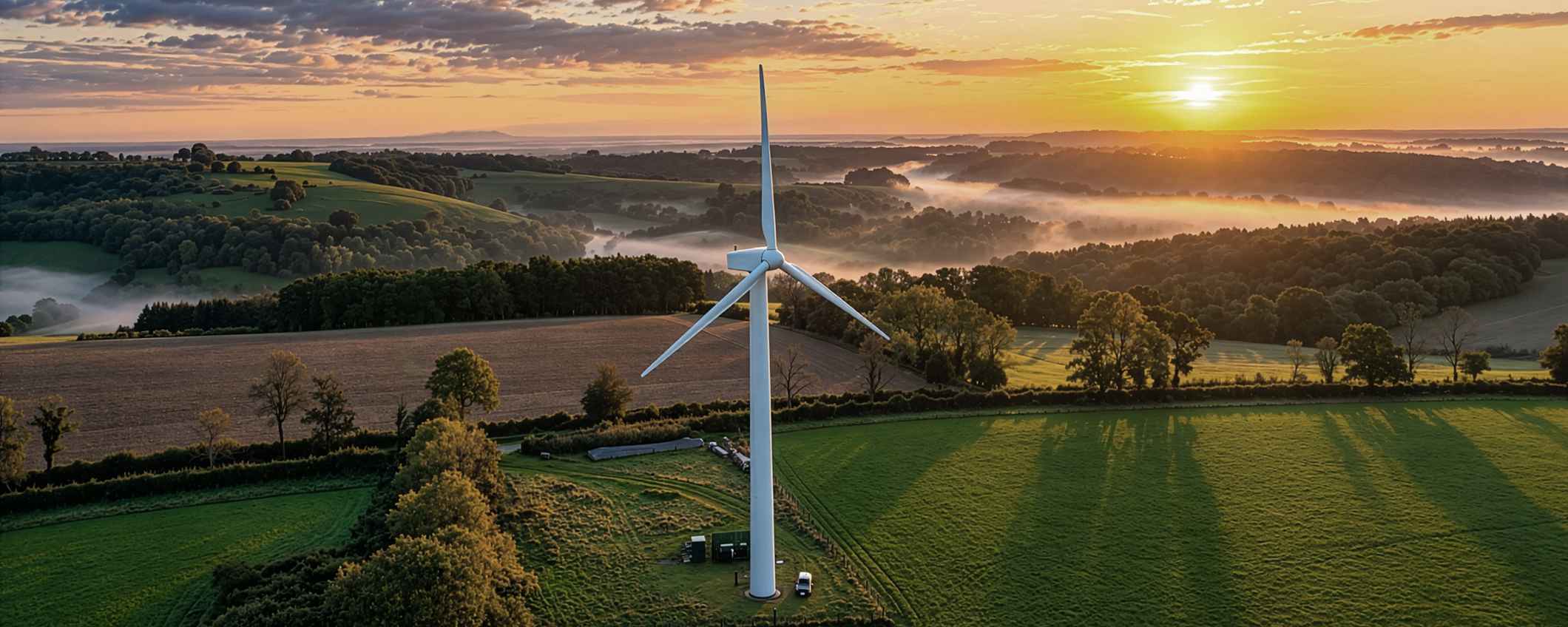
As the use of renewable energy has grown significantly over the past few decades, some of the infrastructure we rely on to provide this power is coming to the end of its life. For instance, repowering older wind turbines by refurbishing or replacing them plays a critical role in maintaining wind farms and the positive impact they bring.
This is why we’ve recently worked with Distgen, an independent wind energy producer that operates a fleet of refurbished community-scale Vestas wind turbines across the UK.
A recently launched crowdfunding campaign aims to help Distgen sustainably repower its Faccombe turbine in Hampshire, which is fed directly to consumers via a private network. Replacing the turbine with a refurbished model will increase the volume of energy it produces (from 795 MWh of clean energy generated in 2025 to 2.479 MWh) and expand its network.
Thanks for joining the conversation.
We've sent you an email - click on the link to publish your post.