
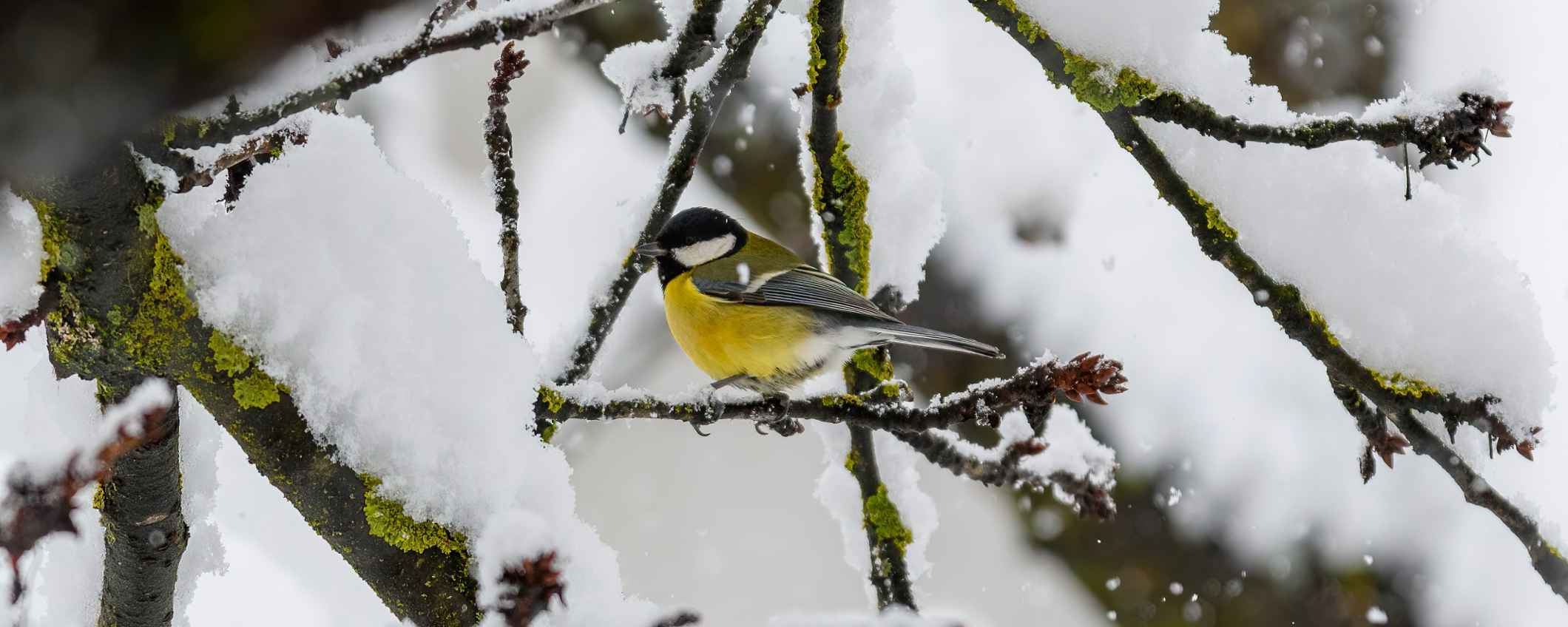
Finding ways to support biodiversity and helping a wider range of species survive the colder months can improve our wellbeing, our surroundings, and allow all kinds of species – from mammals, birds and insects – to thrive.
Here are some easy, low-cost ways to help wildlife and nature out over these harsher months:
Create a woodpile
Use cut tree branches and sticks to make a woodpile that provides shelter for insects and small animals. It will help to keep them warm and dry in the colder months.Fill bird feeders
If you have bird feeders in your garden, high calorie foods such as fat balls, containing lard or suet, mixed with seeds and small pieces of fruit, or grated cheese and bacon rinds, means birds will have accessible food in the winter months – just make sure that animal products are kept out of reach from rodents!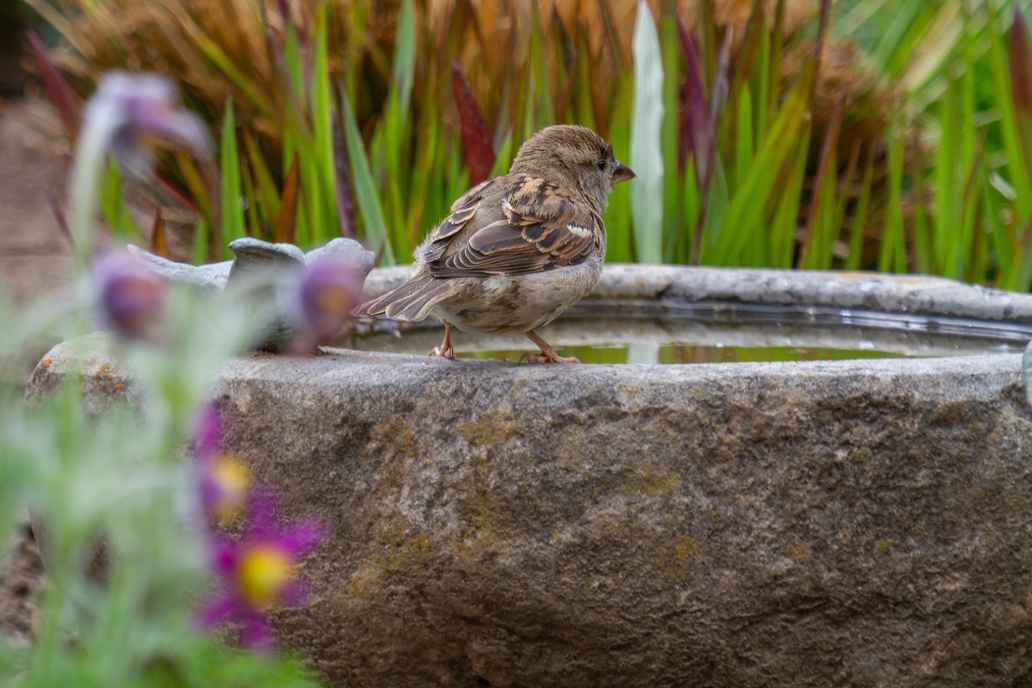
Introduce a water feature
Water is often frozen, so it is harder for birds, amphibians and insects to find it. Water is essential for drinking, bathing and breeding for creatures, so whether it’s having a bird bath, water fountain or even a bowl left outside, this will make sure wildlife still has access to water. Make sure to change the water daily, so it is fresh and reduces the risk of spreading any diseases.Do your raking mindfully
If you’re raking leaves away from pathways or areas of your garden, do so mindfully as there may be animals hiding inside for shelter and food. If you can leave fallen leaves in your garden in the autumn and winter, then the nutrients will return to the ground for the next plants and act as a natural fertiliser for your foliage.Leave seedheads standing
As plants die back, leave the seedheads which will provide food for birds and small mammals and insects such as ladybirds, who can shelter in the hollow stems.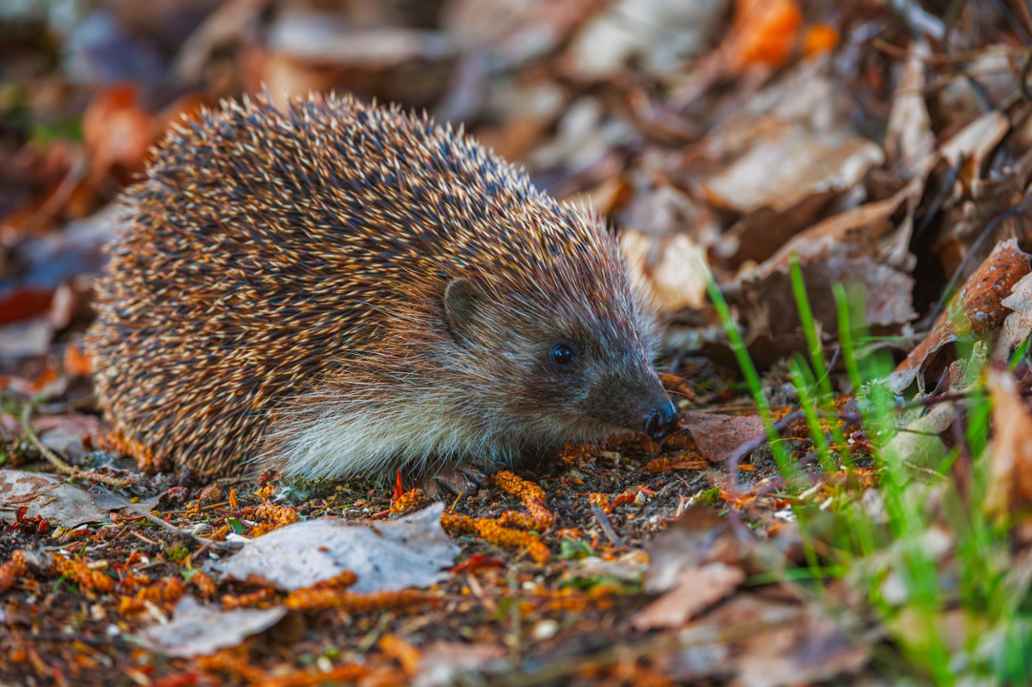
Help hedgehogs prepare for hibernation
Hedgehogs can hibernate in the colder months but need to prepare or may still be active if it is mild. Help them out by leaving food undercover, so they have enough fat reserves to survive the winter.Be careful when turning compost heaps
Compost heaps are often warm so can be home to frogs, toads and other animals, so make sure to check before disturbing them.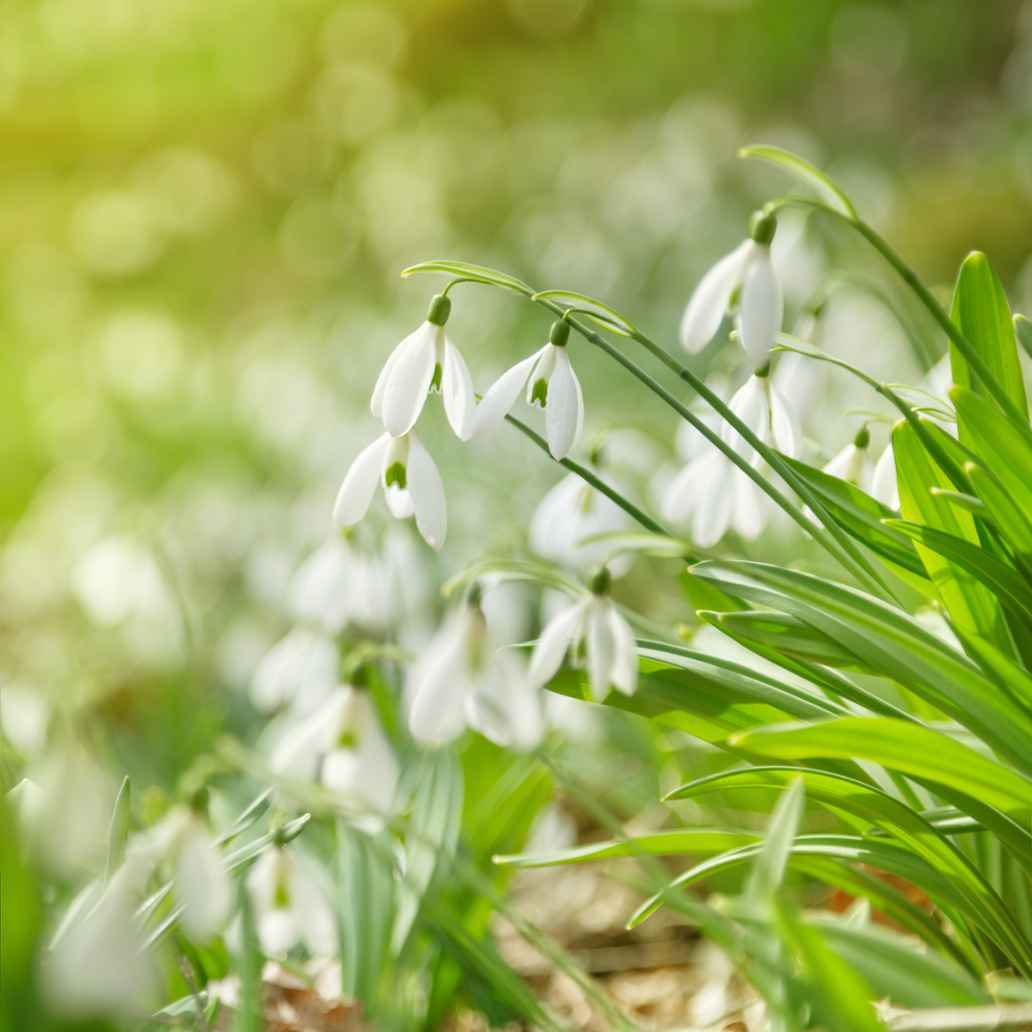
Incorporate winter-flowering species
Plants such as willows, crocuses, snowdrops and mahonia attract pollinators like bumblebees. These single flower species make sure nectar, and pollen is more readily available. It also means your garden doesn’t have to be bare over the winter!Planting fruit trees and shrubs
Apple trees, hawthorn and holly attract winter migrants such as redwing birds, and even waxwings if you’re lucky, as their berries are a source of food and their evergreen foliage provides shelter and protection from predators.Record the wildlife you see
Recording the flora and fauna helps scientists to monitor species numbers and behaviours. This will help to research the impact of climate change and see what new species are interested in gardens and residential places. You can share the nature you see on websites such as Nature Recording Hub and NBN which contribute to decisions on enhancing biodiversity and restoring nature.
Thanks for joining the conversation.
We've sent you an email - click on the link to publish your post.