
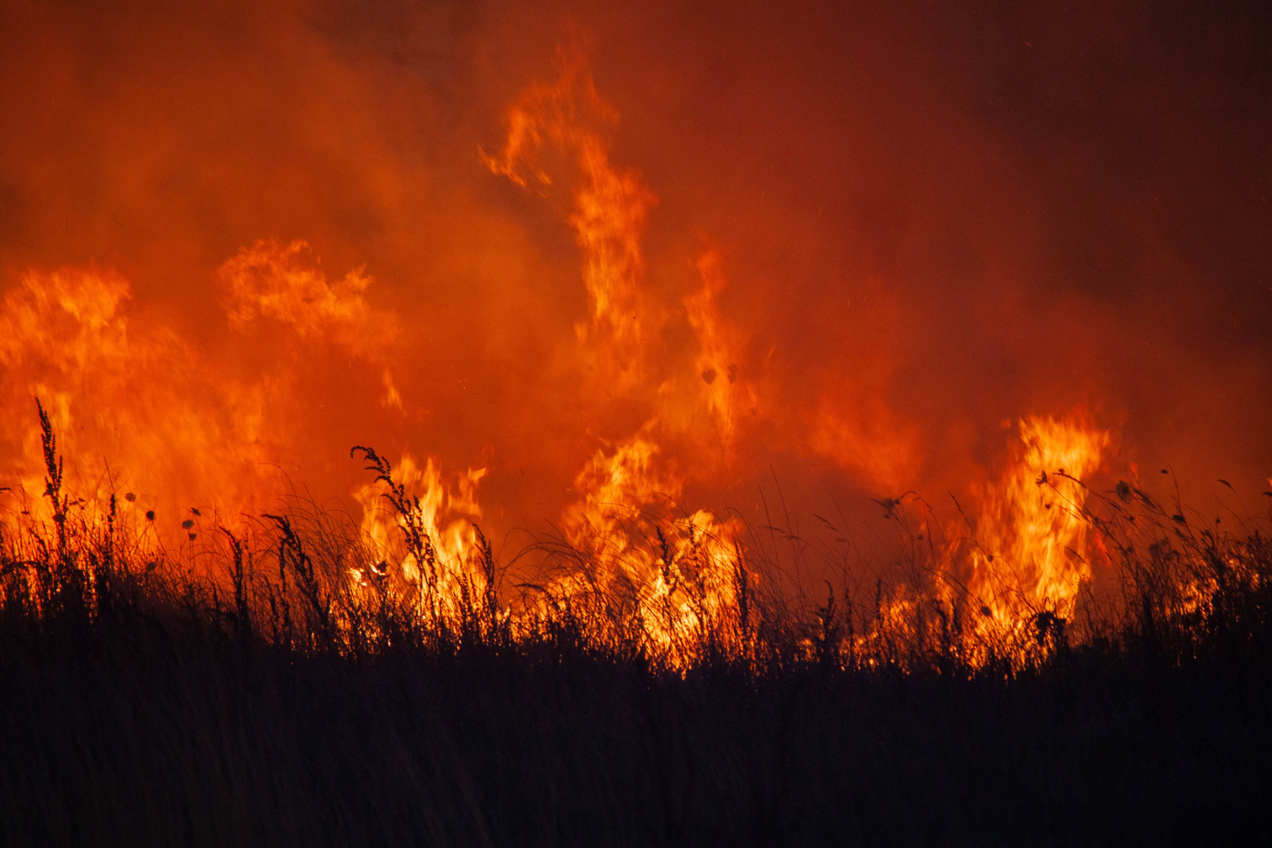
And it doesn’t end there. Heat affects the economy in several other ways too: food and farming, energy production, disruption in transport and labour productivity, to name a few. This summer's extreme heat is estimated to reduce EU GDP by around 1% in 2026 – about €180 billion.
We’re told time and again that net zero is too expensive, that we can’t afford to fully switch to renewable energy, and that these changes make businesses less profitable and less competitive.
But the truth is, we’d save money by implementing climate solutions - and we can’t afford not to. If we keep putting short-term growth first, we’ll do more harm to the natural world that our economy depends on.
Why heat means losses
Heat and drought are having a direct impact on how we grow our food. There are fewer crops to harvest, which can mean less food is produced and prices are higher. Energy production - including nuclear, hydro and thermal - is down and energy prices are also up. We’re seeing increased costs associated with travel disruptions and a big drop in how much work people can get done, while wildfires are adding further damage.
How productive we can be at work falls once temperatures rise above 25-30°C. In June this year alone, Britain lost an estimated 24 million working hours and £1.15bn of output because of hot weather. The effect is strongest in physically demanding, manual or outdoor work, however it also impacts office workers where performance suffers in hot rooms, and hot conditions reduce sleep quality, which in turn makes it harder for us to think clearly and do our jobs well.
The cheapest and quickest response to increasing temperatures is air conditioning, however that increases energy demand and carbon emissions depending on how it's powered. We need to make more structural changes – such as designing and retrofitting homes and buildings to stay cool.
Access to protection from the heat is also unequal. Many people cannot adjust their working schedules or choose to work from different environments to avoid extreme heat. Low-income households are more likely to live in poorly insulated homes and be unable to keep them cool. Young children, elderly adults and disabled people are also more affected, and heat-related illness is putting increasing pressure on healthcare. Last month 2.49 million people attended emergency departments – the highest number ever.
Breaking the cycle
By now, something should have changed. A summer this hot, this visible and this costly should have made it clear that climate damage is already happening. Instead of modelling future risks, we should take action to stop the dangers happening right in front of us.
On 17 July, during record-breaking levels of wildfires and heat-related deaths, the European Commission proposed slowing down the restrictions on carbon emissions to reduce pressure on European businesses.
This is a pattern worth paying attention to. Climate damage slows the economy. The political response is then to weaken the very policy meant to prevent that damage, in the name of protecting growth. As a result, both emissions and exposure rise, and the next heatwave causes even more damage. This is a dangerous cycle.
Every year we spend dealing with climate damage without doing enough to cut emissions is a year borrowed against a hotter future. Every climate policy that is weakened to protect this year’s economic growth figure is, in effect, a cost passed on to whoever faces the next heatwave.
The real choice is whether to keep accepting ever more costly summers by delaying climate action, or to start treating climate change as the emergency it already is for both wellbeing and the economy.
Thanks for joining the conversation.
We've sent you an email - click on the link to publish your post.