

Reading is one of the most powerful ways to explore those questions. The right book at the right time can give you the language to articulate something you've been feeling for years, or introduce ideas that change how you understand your own choices.
The nine books below either come straight from the Triodos office library or come highly recommended by Triodos coworkers.
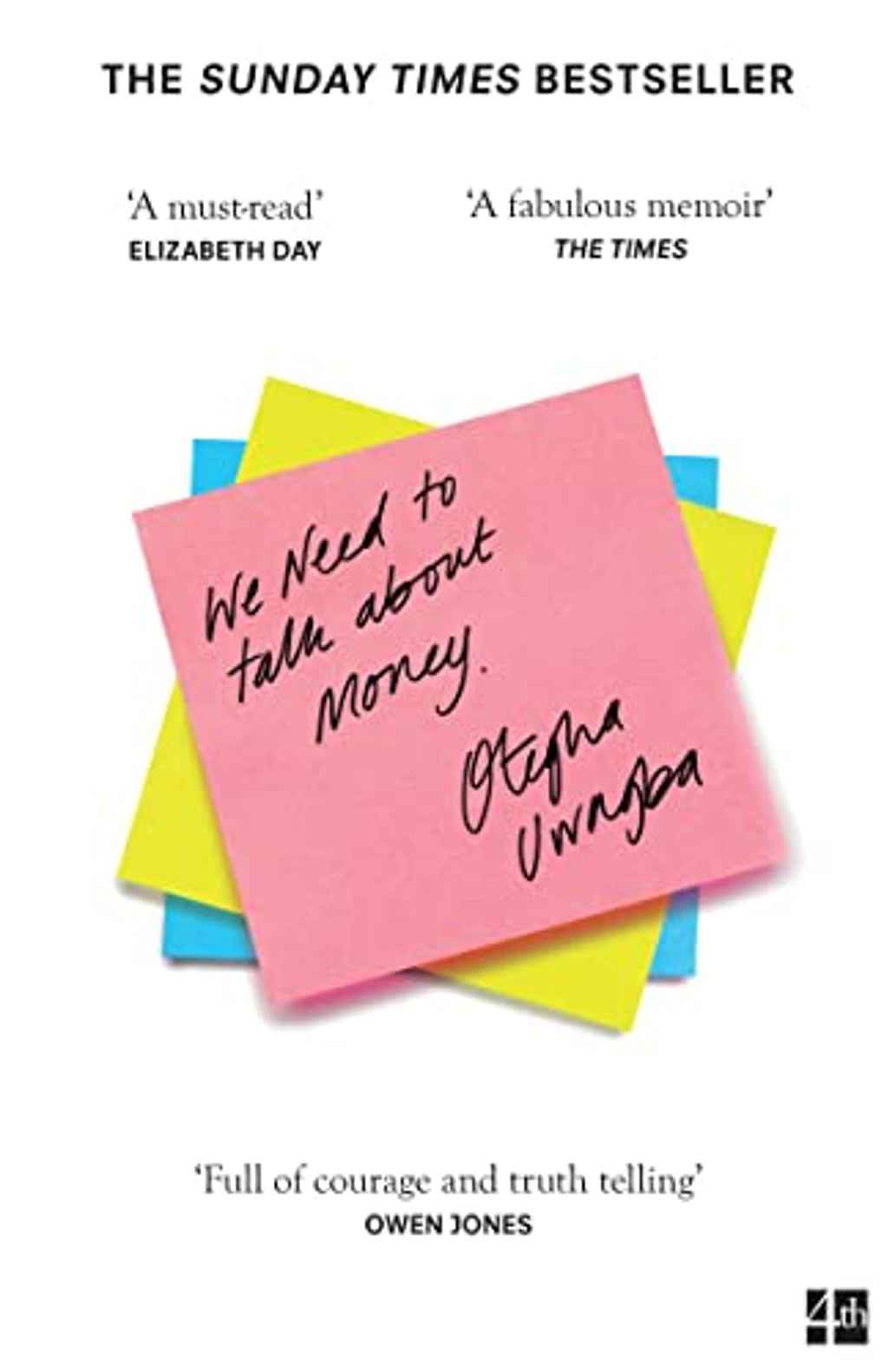
We Need to Talk About Money - Otegha Uwagba (2021)
Pre-existing knowledge needed: 1/5
Tone: Personal, frank, conversational
Average reading time: 5-6 hours
Part memoir, part cultural criticism, and a very honest book about money. Uwagba unpacks her own complicated relationship with money, from a working-class childhood in south London, through a scholarship to a private school, on to Oxford, the world of work, and the slow grind of trying to buy a flat. The book pulls no punches on class, race, gender and the housing crisis, and does so with the kind of frankness most of us avoid in conversation.
If money has ever felt like a topic too awkward to discuss honestly, this is the antidote. It's also one of the few books on this list that connects the abstract questions about value and finance to the lived experience of being young, British and trying to build a life in an economy that doesn't make it easy.
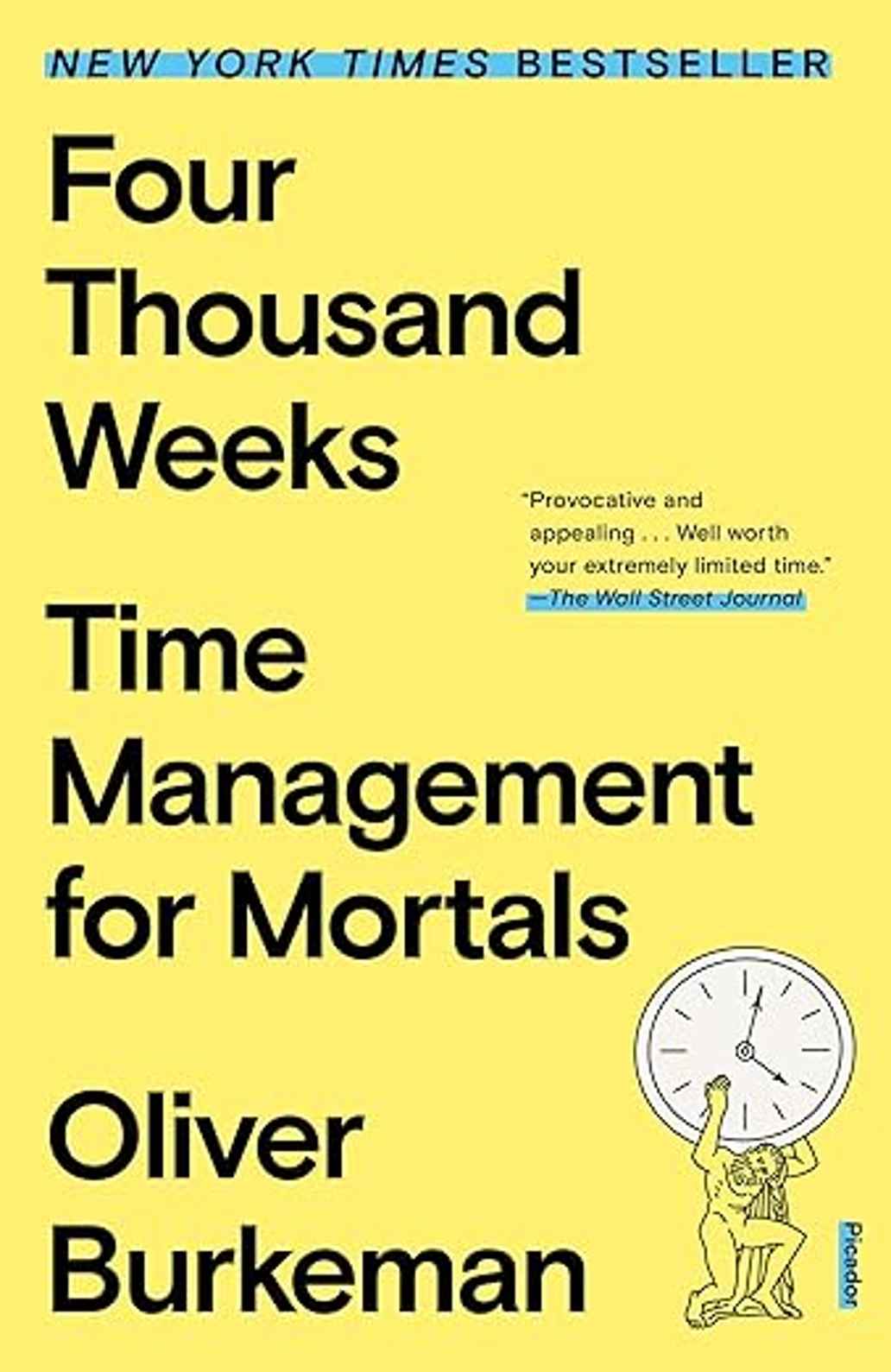
Four Thousand Weeks: Time Management for Mortals - Oliver Burkeman (2021)
Pre-existing knowledge needed: 1/5
Tone: Warm, philosophical, gently funny
Average reading time: 6-7 hours
Technically a book about time, but really a book about what is enough. The average human life is roughly four thousand weeks. Burkeman, formerly a long-running Guardian columnist on productivity and psychology, argues that the modern obsession with productivity is a way of avoiding the harder question: given the time we have, what actually matters?
Drawing on philosophy, psychology and ancient wisdom, he makes the case for finitude. We cannot do everything - accepting that is where a meaningful life begins. The book is full of small reframes that rearrange how you think about ambition, work and the question of what your money is really for.
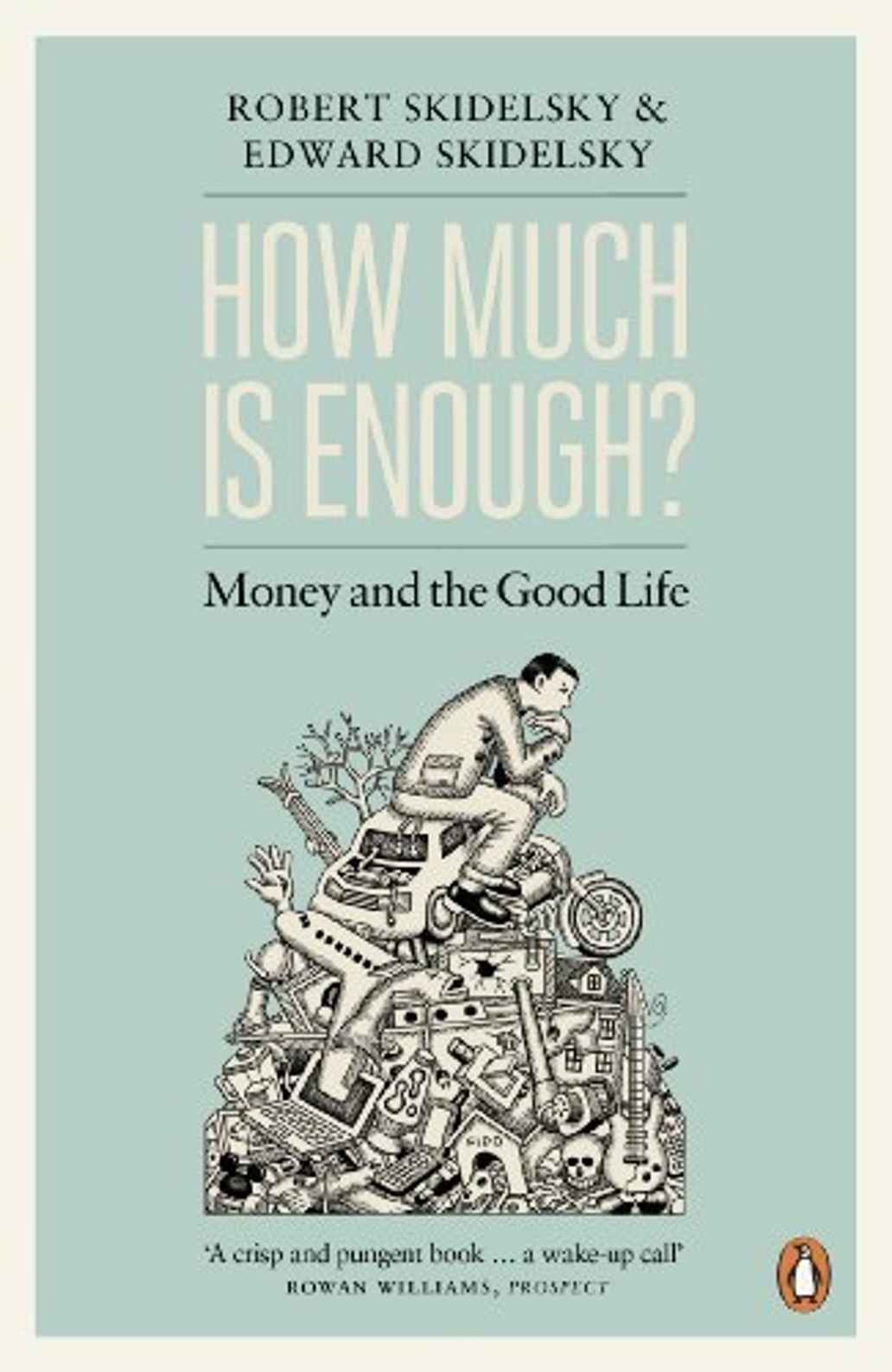
How Much is Enough? - Robert and Edward Skidelsky (2012)
Pre-existing knowledge needed: 3/5
Tone: Philosophical, considered, sometimes academic
Average reading time: 8-9 hours
A philosophical book disguised as an economic one. Robert Skidelsky is a respected economic historian and biographer of John Maynard Keynes and his son Edward, a philosopher. Keynes predicted that by the early 21st century, productivity gains would mean we'd all be working 15-hour weeks and spending the rest of our time on art, philosophy and the things that genuinely matter to us. That obviously hasn't happened. Instead, we've become richer than Keynes could have imagined and continued working ourselves into exhaustion.
What is it about modern economic life that means there's always more to chase, always more to accumulate, always more to aspire to? And what would a good life actually look like if it were defined by a richer set of human goods - health, security, respect, friendship, leisure, harmony with nature - rather than by the size of the bank balance?
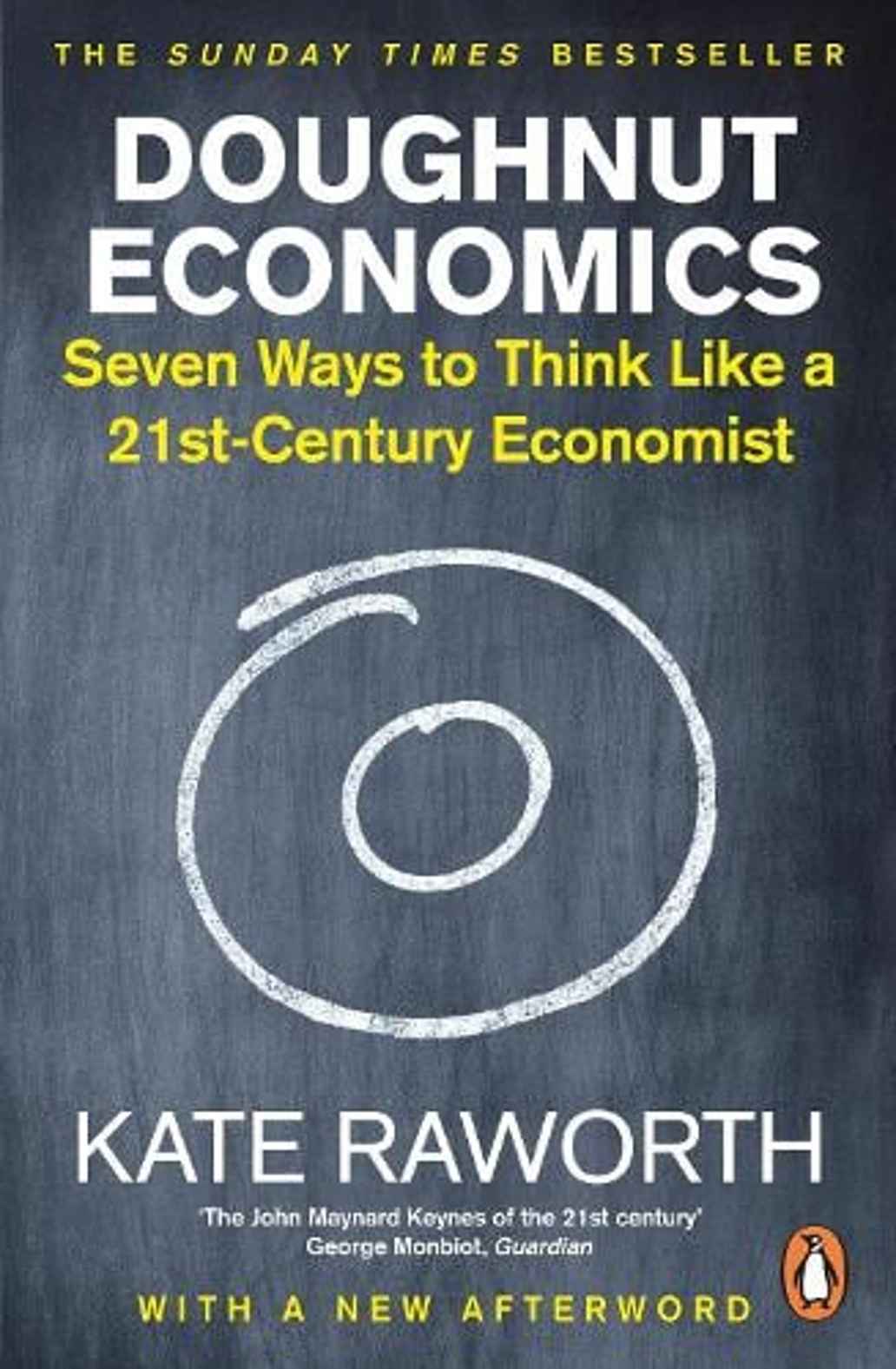
Doughnut Economics - Kate Raworth (2017)
Pre-existing knowledge needed: 2/5
Tone: Visual, accessible, optimistic
Average reading time: 9-10 hours
Arguably the most influential economics book of the last decade, Raworth's central image is the doughnut. A social floor below where people lack the essentials of a good life. An ecological ceiling above which we damage the planet's life-support systems.
Doughnut Economics dismantles the idea that growth is always good, GDP is a meaningful measure of progress, and that markets always self-correct. Raworth doesn't just critique these ideas, she replaces them with frameworks that are practical, hopeful and already being adopted by cities including Amsterdam, Brussels and Copenhagen.
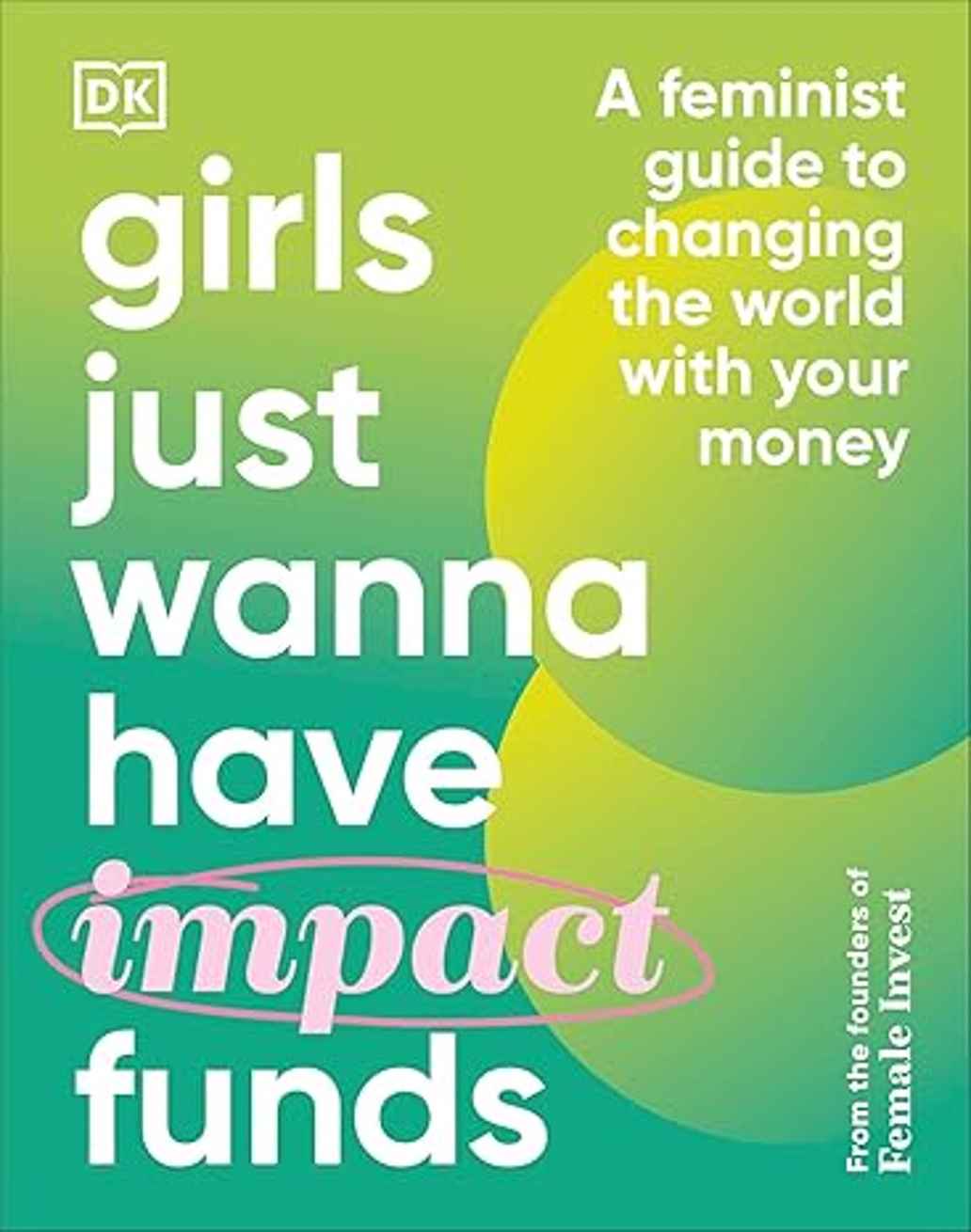
Girls Just Wanna Have Impact Funds - Camilla Falkenberg, Emma Due Bitz and Anna-Sophie Hartvigsen (2024)
Pre-existing knowledge needed: 1/5
Tone: Conversational, practical, friendly
Average reading time: 6-7 hours
The most accessible introduction to ethical and impact investing aimed at women, written by the team behind Female Invest - one of the fastest-growing financial education platforms in Europe.
The book opens with a structural problem: women globally invest far less than men, partly because of the gender pay gap, but largely because the financial industry has historically been built to exclude them. The cost of that exclusion is enormous, both in personal financial outcomes and in the kinds of businesses that get funded. When women aren't in the room, certain businesses don't get backed.
From there, the book is a practical guide to changing that. It covers ethical investing fundamentals, ESG frameworks (and their limitations), impact investing, how to research where your money actually goes, and how to build a portfolio that aligns with your values.
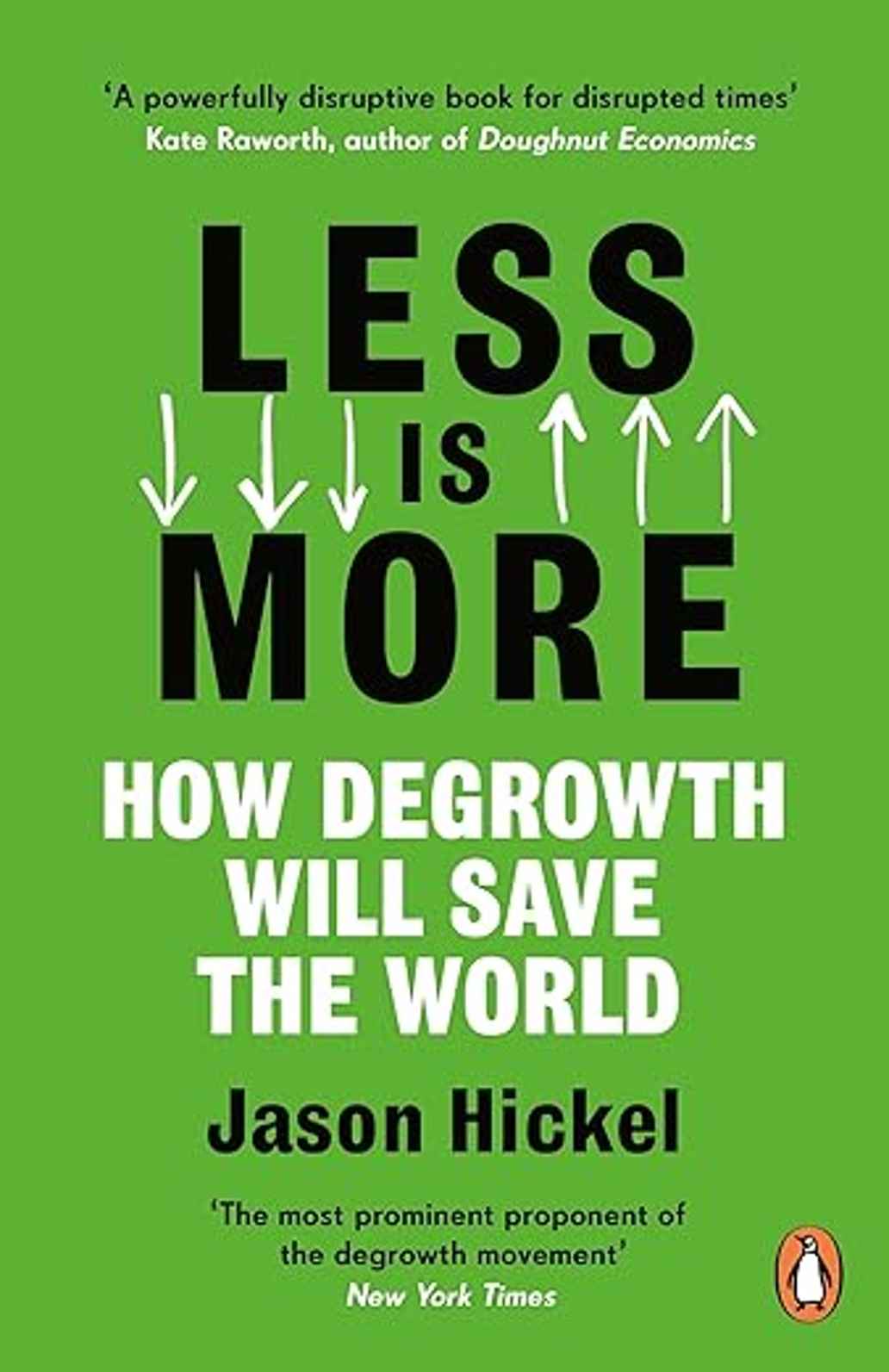
Less is More: How Degrowth Will Save the World - Jason Hickel (2020)
Pre-existing knowledge needed: 3/5
Tone: Provocative, rigorous, urgent
Average reading time: 9-10 hours
For the reader who wants to go further and ask whether the entire growth-based model of the economy is the problem itself. Hickel, an economic anthropologist at the London School of Economics and a respected voice in the post-growth movement, makes the case that endless economic growth on a finite planet is failing to deliver wellbeing even in the world's richest economies.
The book is one of the clearest, best-argued introductions to the degrowth movement, which proposes that wealthy nations should deliberately scale down economic activity in ways that improve lives rather than diminish them.
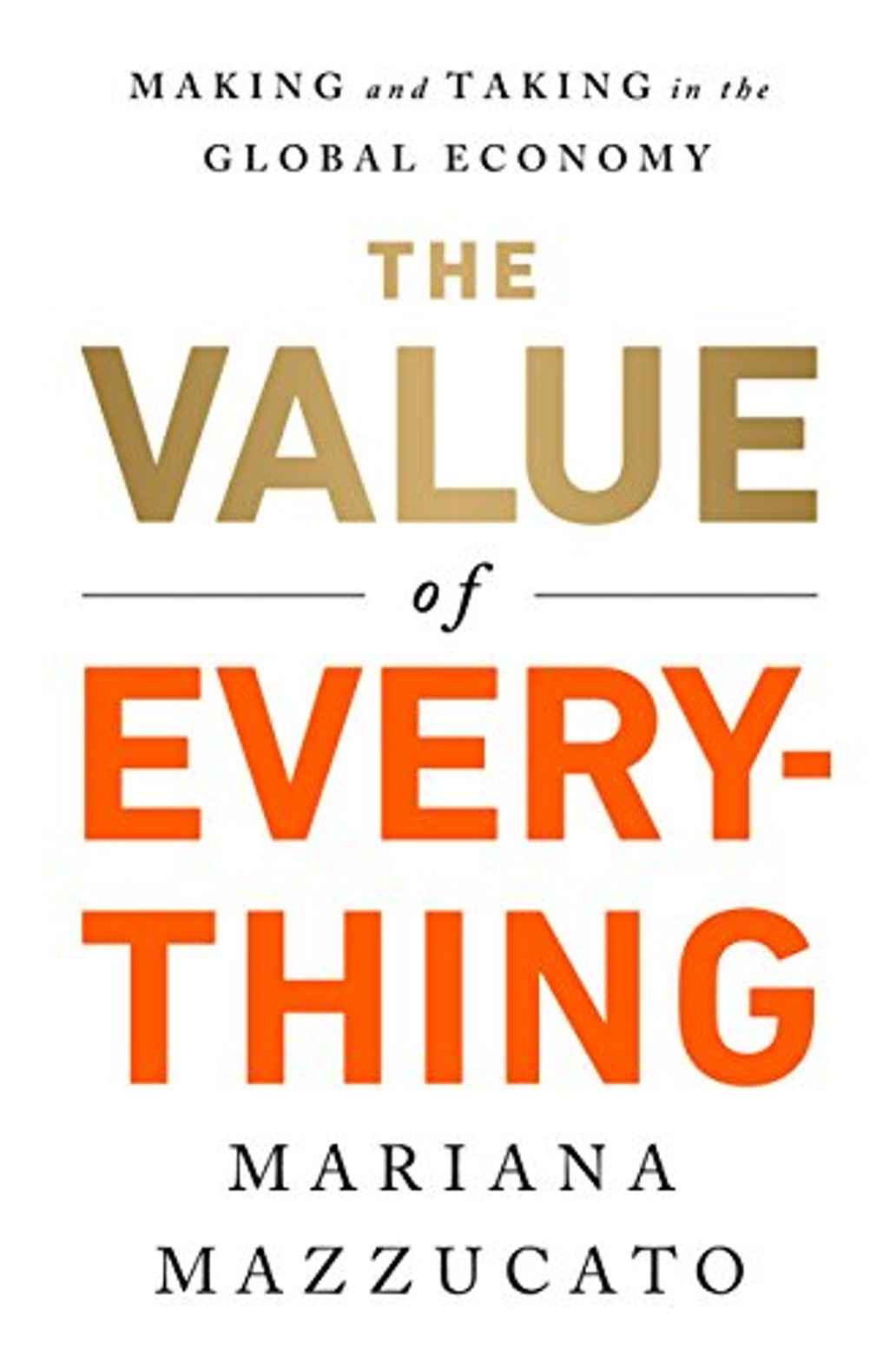
The Value of Everything: Making and Taking in the Global Economy - Mariana Mazzucato (2018)
Pre-existing knowledge needed: 3/5
Tone: Analytical, ambitious, slightly academic
Average reading time: 10-12 hours
The Value of Everything tackles a question that sounds simple but turns out to be genuinely radical: who actually creates value in the economy, and who extracts it?
She argues that we've stopped distinguishing between value creation - making things, building infrastructure, providing care - and value extraction - financial speculation, monopoly rents, asset price inflation. The result is an economy where the people doing important work are systematically undervalued, while the people moving money around are systematically overrewarded.
This is the book to read if you want to understand why your nurse, your teacher and your local shopkeeper are economically invisible while a hedge fund manager is treated as a wealth creator.
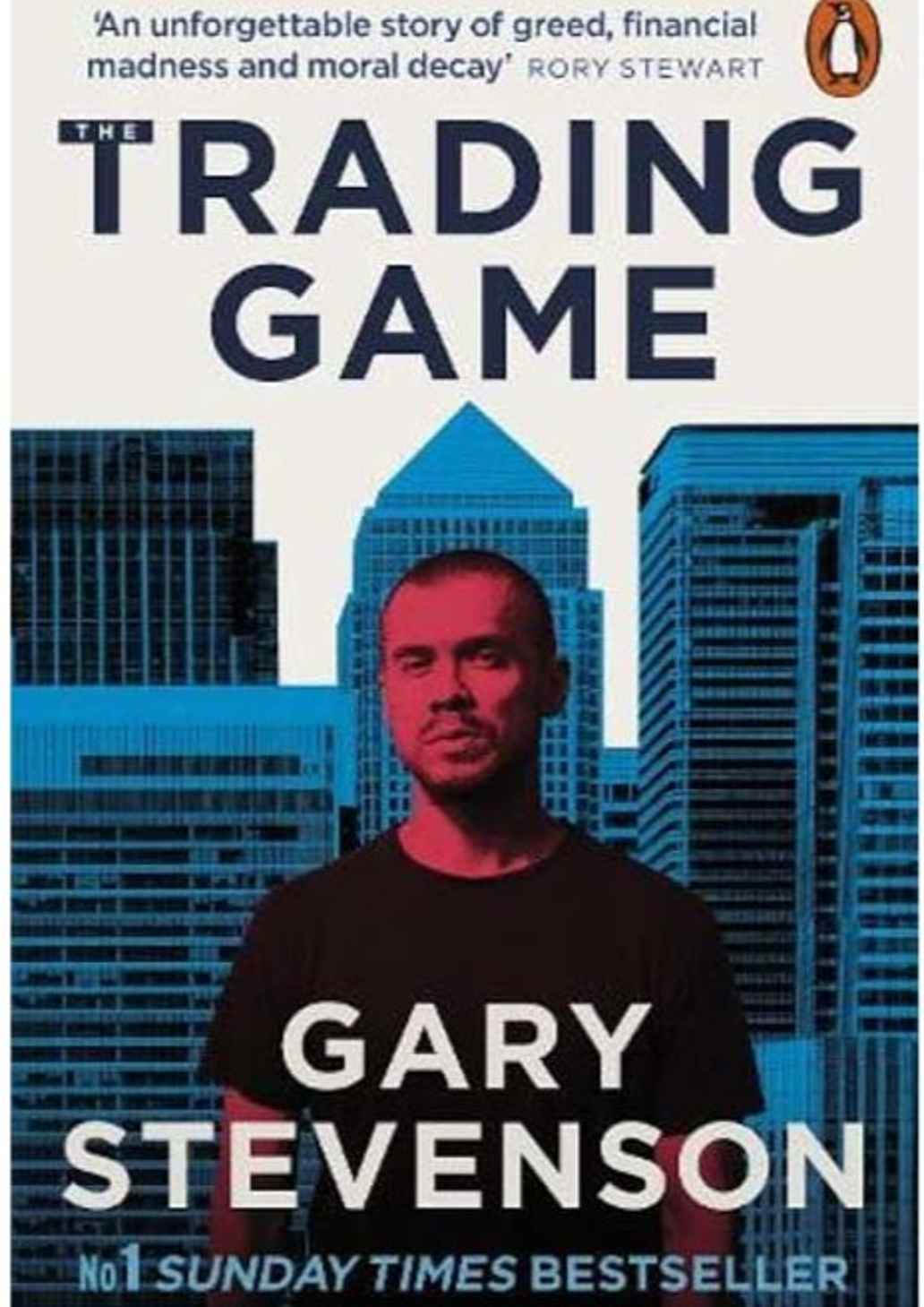
The Trading Game
Gary Stevenson (2024)
Pre-existing knowledge needed: 1/5
Tone: Memoir, darkly funny
Average reading time: 9-11 hours
A working-class kid from East London wins a competition at Citibank and becomes the most profitable trader in the world. Then the slow realisation arrives that he's making millions by betting that the rest of the world will get poorer.
Stevenson's memoir is one of the most acclaimed finance books of recent years. It reads more like a thriller - frantic, funny, sometimes harrowing - and the system it describes from the inside is the same one most readers spend their lives subject to from the outside.
What makes it especially relevant is what Stevenson has done since. He left trading, studied for an MPhil at Oxford, founded GarysEconomics on YouTube and now spends his time arguing that inequality is the central problem of our economy.
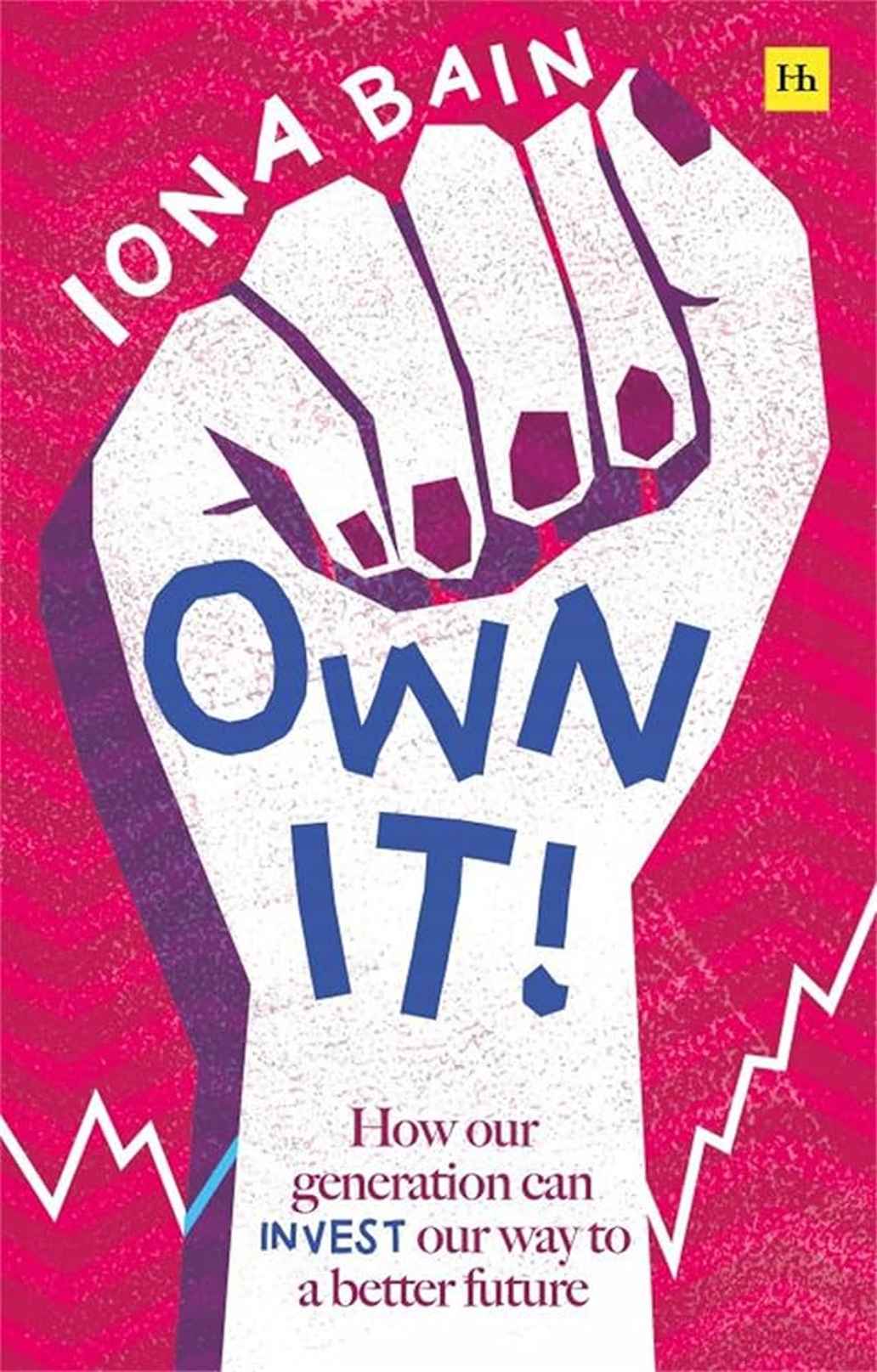
Own It!: How Our Generation Can Invest Our Way to a Better Future - Iona Bain (2020)
Pre-existing knowledge needed: 1/5
Tone: Practical, encouraging, conversational
Average reading time: 7-8 hours
Bain's argument is honest: a generation has been told to save for a future the savings won't deliver. Low wages, high house prices, and zero reward for cash savings mean investing has stopped being optional. The book demystifies pensions, auto-enrolment, robo-advisers, ISAs and ethical investing, with the clarity of someone who has spent years explaining this material to readers who don't have a finance background.
What makes Own It! particularly relevant is its chapter on socially responsible investing - making the case that younger investors are uniquely placed to choose funds that align with their values and showing them how to do it without falling for greenwashing.
A genuinely practical entry point for anyone in their twenties or thirties who has been putting off the investing conversation.
Why reading this widely matters
Reading widely about money is one of the most underrated ways to take meaningful action. The financial system shapes everything from the climate crisis to the housing market to the work people are paid to do. Understanding it is how you start making different choices.
At Triodos Bank we have spent over 30 years thinking about what money is for. Our minimum standards rule out the fossil fuel industry, weapons and other harmful industries. Every organisation we lend to is published on our website, so customers can see exactly where their money goes. We do this because we believe money should fund a fairer, greener, more sustainable future.
The whole reason we exist, as customers choose to bank with us, is because we believe the financial industry should support people and the planet to thrive.
Thanks for joining the conversation.
We've sent you an email - click on the link to publish your post.