
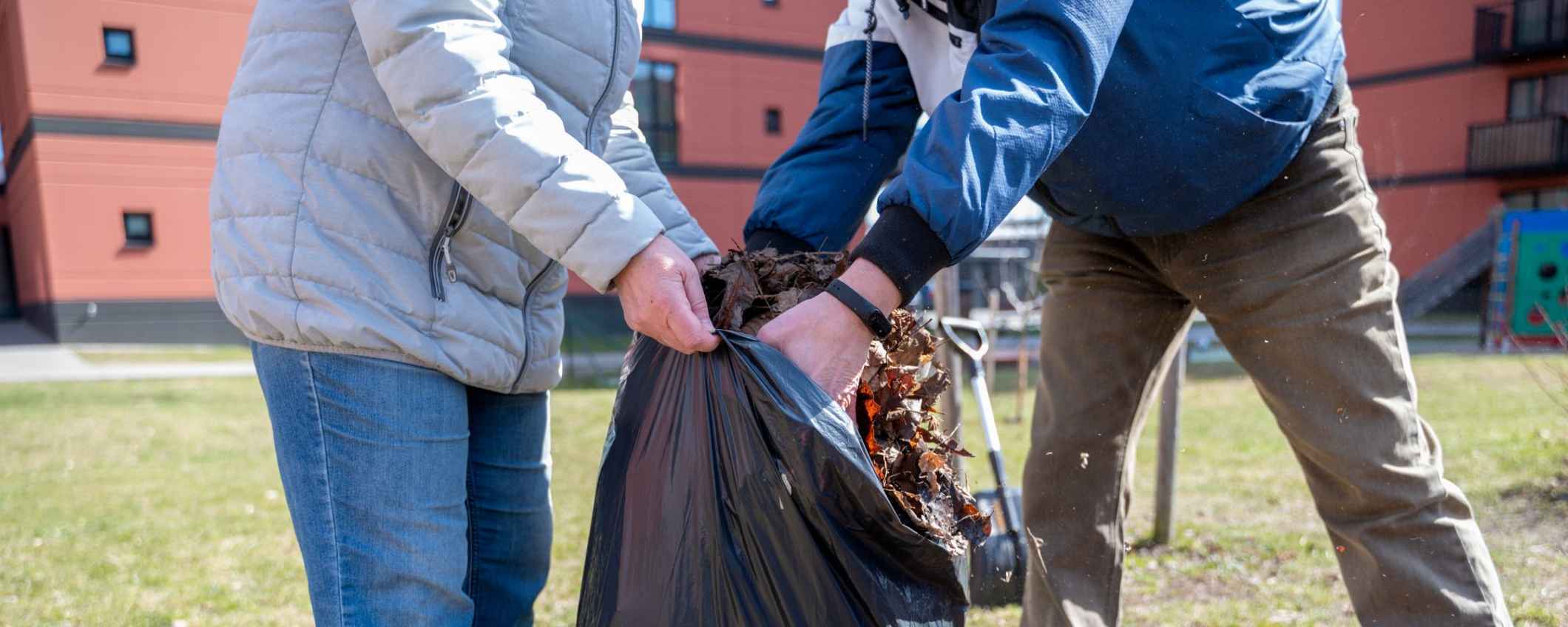
We’ve pulled together a list of ways you can reduce waste, tap into your community and support local initiatives that go beyond avoiding plastic bags at the supermarket.
Join a community composting network
Composting is an amazing way to turn your food waste into nutrient-rich soil. However, not everyone has the means or access to compost at home. Community compost schemes crowdsource people’s waste to create compost that can be shared amongst their local area. They’re sometimes set up by allotments, local farms, or community groups. Search for one in your area – or start one up yourself if you can!Join a toy library
Instead of repeatedly buying toys for children to play with and tire of, you could join a local toy library. They save unwanted toys from going to landfill, while also saving money for parents. Many also run community sessions to provide a space where parents can meet and children can play together.Request a “no change” service when you stay at hotels
Hotels around the world use a huge amount of resources to wash and manage linens, bedding and towels. Ask your hotel to not strip your bed after every night, and abide by any towel washing policies to travel with a smaller footprint.Campaign for the re-use of empty homes
Across the UK, there are over 1 million empty homes and over 350,000 people in need of homes. Huge pressure is being put on greenfield sites by new-build housing developments, despite homes going unused, many of which are owned by local authorities. Retrofitting empty homes also produces far less carbon emissions and waste than building a new home. Join the Action on Empty Homes campaign in your area.Donate old glasses to help people who don’t have access to opticians
In many parts of the world, people don’t have access to vision care. Children can struggle at school and people are unable to work due to poor vision, keeping them in poverty. If you have old or unused glasses, you can donate them to charities such as Vision Action or Vision Aid Overseas. You can also ask your optician directly if they’re part of any schemesStop getting junk mail
There are actions you can take to stop getting junk mail, which uses unnecessary paper and resources for mail that goes straight back into the bin. There are several steps you can take to reduce the amount of junk mail you receive, including contacting Royal Mail and registering with the Mailing Preference Service. You can find out more here.Take old medicines to your pharmacy
Expired medicines or prescriptions that are no longer needed should never be thrown away. They can contaminate waterways and the soil, posing health and environmental risks. Collect your unwanted medicines and take them to your pharmacy, who can dispose of them correctly.Support restaurants with small menus
The smaller the offering on a menu, the less chance of a restaurant producing food waste. Often, this also means you’re supporting small and local businesses who are sourcing fresh, quality ingredients.Stop idling
This one is simple but hugely effective – turn your engine off more often and try to avoid leaving it running when parked or stopped for a long period of time. The RAC recommends that an engine should be turned off if a car doesn’t expect to move for 2 minutes or more. This not only prevents fuel waste and saves money, it protects people’s health by reducing air pollution.Have a digital clear-out
Emails, texts, voice messages, photographs, files – everything on your phone or computer uses energy to store them. Storing unwanted or old files leads to a lot of unnecessary waste. Try to implement a regular clear out of your digital devices to prevent carbon emissions associated with your files.
Thanks for joining the conversation.
We've sent you an email - click on the link to publish your post.